Toll free number

Latest Bedroom Interior Trends & Best Plywood for Each Design

Bedroom interiors today are evolving beyond simple comfort. They reflect personal style, smart functionality, and a growing awareness of safety. Whether it is a calm, minimalist retreat or a rich, hotel-inspired space, the choice of materials plays a crucial role in how well the design performs over time.

Among these materials, plywood forms the foundation of almost every bedroom element, from wardrobes and beds to wall panels and storage units. Choosing the right type of plywood is essential, not just for durability but also for safety and long-term reliability.

Let’s explore the latest bedroom interior trends and the most suitable plywood choices for each.

Minimalist Bedrooms with Clean Lines

Minimalist bedrooms continue to be a popular choice, especially in urban homes. These spaces focus on simplicity, neutral tones, and uncluttered layouts. Furniture often features sleek designs with hidden storage.

For such interiors, plywood with a smooth surface and consistent thickness is ideal. It helps achieve clean finishes for wardrobes, bed frames, and side tables.

In modern apartments where electrical fittings are integrated into furniture, safety becomes equally important. This is where fire-retardant plywood adds value. It slows down flame spread and offers an added layer of protection without affecting the visual appeal.

Luxury Hotel Style Bedrooms

Luxury bedrooms are inspired by high-end hotel suites. Think upholstered headboards, ambient lighting, glossy finishes, and large wardrobes.

These designs require plywood that can handle heavy loads and support premium finishes like veneer and laminates. Boiling water-resistant grades are commonly used for their strength.

However, with layered lighting and concealed wiring, fire safety becomes a consideration. Fire-retardant plywood fits well into such interiors by combining structural strength with enhanced safety, making it suitable for wall panels and wardrobe systems.

Scandinavian Style Bedrooms

Scandinavian interiors are all about light, warmth, and simplicity. Soft wood tones, white walls, and functional furniture define this style.

For these designs, moisture-resistant plywood works well, especially in areas that are not exposed to high humidity. It provides a good balance between cost and performance.

At the same time, Indian weather conditions can be unpredictable. Choosing plywood that offers additional resistance, including fire protection, helps maintain durability while keeping the space safe.

Smart Bedrooms with Space-Saving Furniture

With homes getting more compact, smart storage solutions have become essential. Sliding wardrobes, hydraulic beds, and wall-mounted units are now common in modern bedrooms.

These designs depend heavily on the strength and stability of plywood. It must hold screws firmly and maintain shape over time.

Since these setups often include lighting, charging points, and other electrical features, using fire-retardant plywood in key areas such as bed storage units and TV panels can be a practical decision. It enhances safety while supporting modern functionality.

Nature-Inspired Bedrooms

Biophilic or nature-inspired bedrooms bring a sense of calm by incorporating wooden textures, earthy colours, and indoor plants.

Natural finishes such as veneer are widely used in these spaces, which makes the quality of the base material even more important. Good plywood ensures that the finish remains intact and long-lasting.

Because these designs rely heavily on wood elements, adding a fire-resistant layer through specialised plywood can help balance aesthetics with safety, especially in homes with extensive electrical fittings.

Industrial Style Bedrooms

Industrial interiors feature raw textures like exposed brick, metal accents, and darker tones. Furniture in such spaces is bold and often has a rugged finish.

For this style, stronger plywood grades are preferred to handle heavier structures. Since industrial designs may include exposed lighting and fixtures, fire safety becomes relevant here as well.

Fire-retardant plywood complements this trend by offering durability along with protection, making it suitable for bed bases, shelving, and wall units.

Why Fire Retardant Plywood Matters Today

Bedrooms today are more than just sleeping spaces. They include lighting systems, entertainment units, and multiple charging points. This increases the chances of electrical risks.

Fire-retardant plywood is specially treated to reduce the spread of flames and limit smoke production. It does not make furniture completely fireproof, but it significantly improves safety by slowing down the fire.

Afyun Fire Retardant Plywood is designed to meet these modern requirements. It supports various finishes, maintains structural integrity, and adds a level of safety that standard plywood may not provide.

Choosing the Right Plywood for Bedroom Furniture

Selecting plywood should always depend on how and where it will be used. Key factors to consider include:

  • Strength for load-bearing furniture like beds and wardrobes
  • Resistance to moisture, especially in humid climates
  • Surface quality for laminates or veneers
  • Protection against termites and environmental damage
  • Fire resistance in areas with electrical fittings

Making the right choice ensures that your furniture not only looks good but also lasts longer and performs safely.

Conclusion

Bedroom design trends are moving towards spaces that are both stylish and practical. While aesthetics play a big role, the materials behind the design matter just as much.

Plywood remains at the core of every well-built bedroom interior. Choosing a high-quality option that aligns with modern safety needs can make a significant difference over time.

If you are exploring dependable plywood manufacturers in India, Afyun offers solutions that combine performance with safety. Their fire-retardant plywood is a smart addition to contemporary bedroom designs, helping you create spaces that are not only beautiful but also built to last.

Discover Afyun Fire Retardant Plywood and upgrade your bedroom interiors with confidence.

FAQs

1. What is the best plywood for bedroom furniture?

The best plywood depends on usage. MR grade works for dry areas, while BWR or BWP is better for durability. For added safety, fire-retardant plywood is a smart choice.

2. Why is fire-retardant plywood important in bedrooms?

Modern bedrooms include wiring, lighting, and devices. Fire-retardant plywood slows down flame spread and reduces risk, making the space safer.

3. Is fire-retardant plywood completely fireproof?

No, it is not fully fireproof. It is designed to resist and slow down fire, giving more time to control it and reduce damage.

4. Which plywood is best for wardrobes?

BWR grade plywood is commonly used for wardrobes due to its strength and moisture resistance. Fire-retardant plywood is recommended for added safety.

5. What plywood should be used for bed frames?

Strong plywood like BWR or BWP is ideal for bed frames as it can handle weight and pressure over time.

6. Is MR plywood suitable for bedrooms?

Yes, MR plywood works well in dry bedroom conditions. However, it offers less protection against moisture and fire compared to advanced options.

7. How does plywood affect bedroom interior design?

Plywood forms the base of all furniture. Good quality plywood ensures durability, smooth finish, and better support for laminates and veneers.

8. What is the difference between MR, BWR, and BWP plywood?

MR is moisture-resistant for indoor use. BWR offers higher water resistance. BWP is waterproof and suitable for heavy-duty applications.

9. Can plywood be used for wall panels in bedrooms?

Yes, plywood is widely used for wall panelling. It provides a strong base for laminates, veneers, and decorative finishes.

10. Which is the best plywood in India for interiors?

The best plywood is one that balances strength, finish, and safety. Fire-retardant plywood is increasingly preferred for modern interiors.

11. Is fire-retardant plywood suitable for modular furniture?

Yes, it works well for modular furniture like wardrobes, storage beds, and TV units, especially where electrical fittings are present.

12. How long does good-quality plywood last?

High-quality plywood can last for many years if properly maintained and protected from excess moisture and damage.

13. Does fire-retardant plywood affect design or finish?

No, it supports all common finishes like laminates, veneers, and paints without affecting the final look.

14. What should I check before buying plywood?

Check for strength, thickness, moisture resistance, termite protection, and safety features like fire resistance.

15. Are there trusted plywood manufacturers in India?

Yes, several manufacturers offer quality plywood. It is important to choose one that focuses on both performance and safety standards.

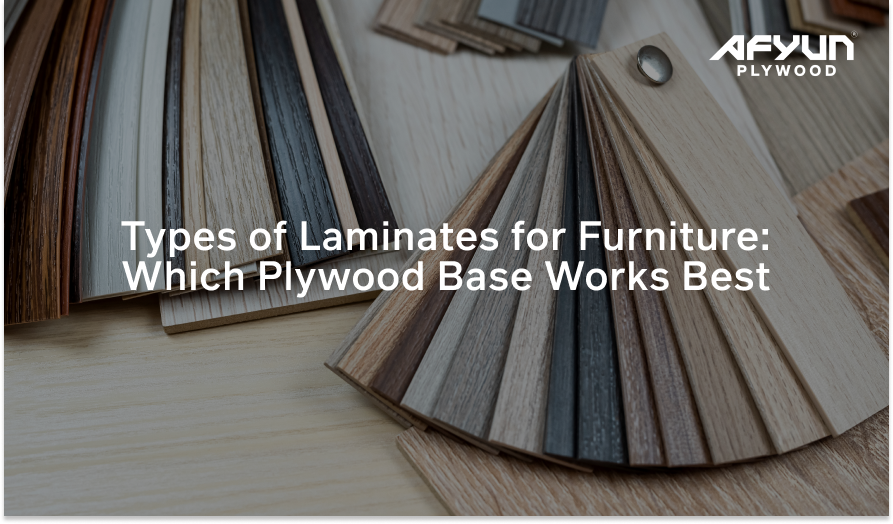
Types of Laminates for Furniture: Which Plywood Base Works Best 

Laminates play a major role in modern furniture design. They define the look, finish, and surface durability of everything from wardrobes and cabinets to office desks and TV units. With so many textures, finishes, and price points available, laminates have become a practical and stylish solution for interiors.

But there is one factor that directly affects how well laminates perform over time. That is the plywood used as the base. Laminates are only as good as the surface they are applied to. If the plywood is weak, uneven, or unsuitable, even high-quality laminates can fail.

This guide breaks down the most common types of laminates and clearly explains which plywood base works best for each

What Are Laminates in Furniture?

Laminates are thin sheets made by pressing layers of paper and resin together under high pressure. These sheets are then applied to plywood or other boards to create a decorative and protective surface.

They are widely used because they are:

  • Scratch-resistant
  • Moisture-resistant
  • Easy to clean
  • Available in a wide range of designs

For more technical insight, you can refer to the Decorative Laminates Association, which explains laminate performance standards and classifications.

Types of Laminates for Furniture

1.High-Pressure Laminates (HPL)


HPL is one of the most durable laminate types. It is created under high pressure and temperature, making it strong and resistant to impact.

Best for:

  • Wardrobes
  • Kitchen cabinets
  • Office furniture

Best plywood base:
Boiling Water Resistant or Boiling Water Proof plywood works best. These grades provide strength and moisture resistance, which complements the durability of HPL.

2. Low-Pressure Laminates (LPL)

LPL is thinner and more affordable than HPL. It is commonly used for low-cost furniture and interior panels.

Best for:

  • Budget wardrobes
  • Shelves
  • Temporary furniture

Best plywood base:
Moisture Resistant plywood is suitable for dry areas. However, it is not ideal for long-term heavy use.

3. Matte Finish Laminates 

Matte laminates offer a smooth, non-reflective surface. They are popular in minimalist and modern interiors.

Best for:

  • Bedroom wardrobes
  • Study tables
  • Cabinets

Best plywood base:
Calibrated plywood ensures a uniform surface, which is essential for achieving a clean matte finish.

4. Glossy Laminates

Glossy laminates reflect light and make spaces look brighter and more spacious.

Best for:

  • Modular kitchens
  • Contemporary wardrobes
  • TV units

Best plywood base:
BWR or BWP plywood is ideal because it prevents warping and supports the reflective surface without distortion.

5. Textured Laminates

Textured laminates mimic natural materials like wood, stone, or fabric. They add depth and character to furniture.

Best for:

  • Feature walls
  • Premium wardrobes
  • Living room units

Best plywood base:
High-quality plywood with good core strength is essential to maintain the texture alignment and prevent surface irregularities.

6. Fire Retardant Laminates

These laminates are designed to resist fire and reduce flame spread. They are often used in commercial or high-risk environments.

Best for:

  • Offices
  • Hotels
  • Homes with extensive electrical fittings

Best plywood base:
Fire retardant plywood is the best match. Using a fire-safe laminate on a regular plywood base reduces effectiveness. Pairing both ensures maximum protection.

Why the Plywood Base Matters

Laminates are only as good as the surface they are applied to. Even the most expensive laminate will fail if the plywood underneath is weak or unstable.

A good plywood base ensures:

  • Better bonding of laminate sheets
  • Resistance to bending and warping
  • Longer lifespan of furniture
  • Improved load-bearing capacity

For a deeper understanding of engineered wood standards, you can explore APA – The Engineered Wood Association.

Which Plywood Should You Choose?

Here is a quick guide:

  • MR plywood for dry indoor furniture
  • BWR plywood for moisture-prone areas
  • BWP plywood for high durability and water exposure
  • Fire-retardant plywood for safety-focused interiors

Choosing the right base depends on where the furniture will be used and how much load and exposure it will face.

Final Thoughts

Furniture design is not just about appearance. It is about choosing materials that work well together. Laminates define the look, but plywood defines the strength and longevity.

With the right combination, your furniture stays beautiful and durable for years. Explore high-quality plywood solutions from the best plywood manufacturer and build furniture that lasts.

FAQs 

1. Which laminate is best for kitchen cabinets?

High-pressure laminates are best for kitchens because they resist heat, moisture, and daily wear.

2. Which plywood is best under kitchen laminates?

BWR or BWP plywood is recommended for kitchens due to its moisture resistance and durability.

3. Can laminates peel off over time?

Yes, laminates can peel if low-quality adhesive or poor plywood is used. A strong plywood base prevents this.

4. Is thicker plywood better for laminated furniture?

Yes, thicker plywood provides better strength and stability, especially for wardrobes and beds.

5. What is calibrated plywood and why is it used?

Calibrated plywood has uniform thickness, which ensures smooth laminate application and a better finish.

6. Are laminates waterproof?

Laminates are water-resistant but not fully waterproof. The plywood underneath must also be moisture resistant.

7. Which laminate is easiest to maintain?

Matte laminates are easier to maintain as they show fewer fingerprints and scratches compared to glossy finishes.

8. Can laminates be used on curved furniture?

Yes, flexible laminates can be used on curved surfaces, but the plywood base must be properly shaped.

9. What causes bubbles in laminates?

Bubbles occur due to poor adhesive, uneven plywood surfaces, or improper pasting techniques.

10. Is termite resistance important in plywood?

Yes, termite-resistant plywood helps protect furniture and increases its lifespan.

11. Which laminate is best for bedroom wardrobes?

Matte or textured laminates are commonly preferred for bedrooms due to their soft and elegant appearance.

12. Can glossy laminates scratch easily?

Yes, glossy laminates can show scratches more easily than matte finishes, especially in high-use areas.

13. Does laminate colour fade over time?

High-quality laminates resist fading, but prolonged exposure to sunlight can cause slight discolouration.

14. How do I choose between BWR and BWP plywood?

Choose BWR for moderate moisture exposure and BWP for areas with high water contact or heavy use.

15. Can fire-retardant plywood be used with all laminates?

Yes, it works with all laminate types and does not affect the finish or design.

16. Is laminate better than veneer?

Laminates are more durable and easier to maintain, while veneer offers a natural wood appearance but requires more care.

17. What is the lifespan of laminate furniture?

With proper materials and maintenance, laminate furniture can last 10 to 15 years or more.

18. Does plywood quality affect laminate finish?

Yes, uneven or low-quality plywood can lead to visible defects in the laminate surface.

19. Which laminate is best for office furniture?

High pressure laminates are ideal for offices due to their durability and resistance to wear.

20. Can I use the same plywood for all furniture?

It is not recommended. Different furniture types require different plywood grades based on usage and exposure.

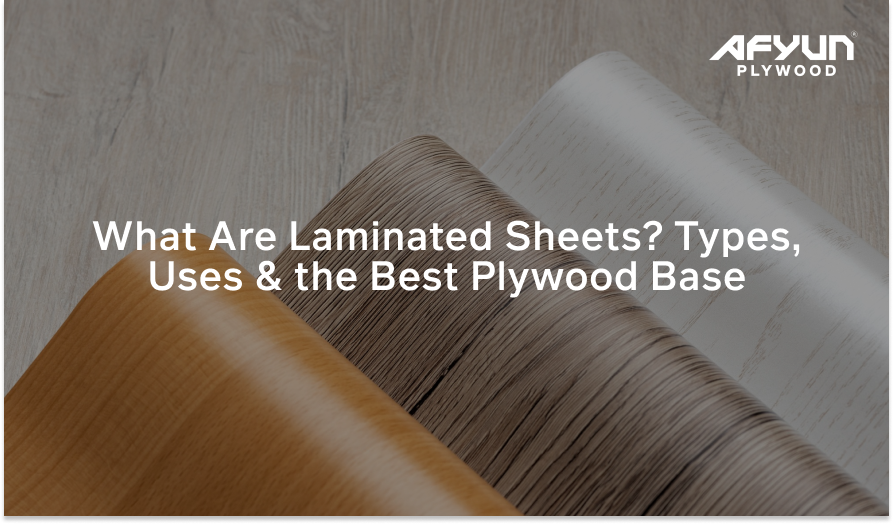
What Are Laminated Sheets? Types, Uses & the Best Plywood Base

Walk into any modern kitchen, wardrobe showroom, or office interior, and you’ll notice smooth, stylish surfaces that look like wood, stone, or even fabric. More often than not, what you’re seeing isn’t solid material, it’s laminate. Laminated sheets have quietly become the backbone of contemporary furniture and interiors, offering durability, design flexibility, and cost efficiency in one neat layer.

Let’s break down what laminate sheets really are, how they’re made, the types available, where you can use them, and most importantly, what kind of plywood base works best underneath.

What Is a Laminate Sheet Made Of?

A laminate sheet is not a single material but a carefully engineered surface layer. It is typically made by pressing together multiple layers of kraft paper, decorative paper, and a protective overlay using heat and high pressure.

Here’s how it usually comes together:

  • Kraft paper core: Provides strength and thickness
  • Decorative paper layer: Printed with wood grains, textures, or patterns
  • Protective overlay: A transparent layer that resists scratches, heat, and moisture
  • Resin bonding: Phenolic or melamine resins bind everything into a single rigid sheet

The result is a durable, thin sheet that can mimic almost any surface while being far more practical for daily use.

Types of Laminate Sheets

Not all laminates are the same. Choosing the right type depends on where and how you plan to use them.

1. High-Pressure Laminates (HPL)

These are made under very high pressure and are known for their strength and durability. Ideal for kitchens, countertops, and heavy-use furniture.

2. Low-Pressure Laminates (LPL)

Also called melamine laminates, these are directly pressed onto boards. They’re more affordable but less durable than HPL.

3. Glossy Laminates

Perfect for modern interiors, these offer a shiny, reflective finish often used in wardrobes and modular kitchens.

4. Matte Laminates

Subtle and elegant, matte laminates are great for spaces where you want a soft, non-reflective look.

5. Textured Laminates

Designed to replicate natural surfaces like wood grain or stone, adding depth and realism.

6. Anti-bacterial & Fire-retardant Laminates

Specialised laminates for hospitals, kitchens, and commercial spaces where hygiene and safety matter.

Plywood Laminate Sheet Design: Why It Works So Well

When laminate sheets are paired with plywood, you get both beauty and strength. Plywood offers a solid core, while laminate provides the finish.

This combination allows:

  • Seamless modern designs
  • Long-lasting furniture surfaces
  • Resistance to warping compared to solid wood
  • A wide range of aesthetic choices without compromising structure

Whether it’s a sleek wardrobe or a textured TV unit, plywood laminate sheet design gives you freedom without sacrificing durability.

Wood Laminate Sheets for Furniture

Furniture is where laminates truly shine. From dining tables to study desks, laminate sheets are widely used because they:

  • Resist scratches and stains
  • Are easy to clean
  • Maintain their appearance for years
  • Come in countless finishes, wood, marble, abstract, metallic

Wood laminate sheets for furniture are especially popular because they offer the look of real wood without the cost or maintenance. You can achieve oak, walnut, teak, or ash finishes with consistency across every panel.

Wood Laminate Sheets for Cabinets

Cabinets, especially in kitchens and bathrooms, demand materials that can handle moisture, heat, and frequent use.

Wood laminate sheets for cabinets are ideal because they:

  • Protect the underlying material from moisture
  • Offer easy-to-maintain surfaces
  • Keep their colour and finish intact over time
  • Work well in both traditional and modern designs

For kitchens, pairing laminates with moisture-resistant plywood is essential to avoid long-term damage.

How to Use Laminate Sheets

Laminate sheets are not standalone structural materials, they are surface finishes. They need to be applied over a base like plywood, MDF, or particle board.

Here’s how they’re typically used:

  • Covering furniture surfaces like tables, cabinets, wardrobes
  • Wall panelling for decorative interiors
  • Kitchen shutters and countertops
  • Office workstations and partitions

The key is choosing the right base material depending on the application.

How to Attach Laminate Sheets to Plywood

This is where craftsmanship matters. Proper installation ensures both durability and finish quality.

Basic Process:

  1. Surface Preparation
    The plywood surface must be smooth, clean, and dust-free.
  2. Adhesive Application
    A strong adhesive (usually contact cement) is applied evenly on both the laminate sheet and plywood.
  3. Drying Time
    Allow the adhesive to become tacky before bonding.
  4. Placement
    Carefully position the laminate sheet, once placed, it’s difficult to adjust.
  5. Pressing
    Use rollers or pressing tools to remove air bubbles and ensure proper bonding.
  6. Edge Trimming
    Excess laminate is trimmed for a clean finish.

A professional finish often comes down to precision during this stage.

Best Plywood Base for Laminates

Laminates don’t work in isolation, they rely completely on the plywood beneath. The right base ensures a smooth finish, strong bonding, and long-term durability. The wrong one can lead to bubbling, warping, or peeling.

Here are the ideal plywood options laminates can be attached to:

1. Marine Plywood

Best suited for areas exposed to water and high humidity such as kitchens, bathrooms, and utility spaces. It offers excellent resistance against moisture and prevents structural damage over time.

For such demanding conditions, Afyun’s Marine Plywood provides a dependable base that keeps laminates intact even in wet environments.

2. Moisture-Resistant Plywood

A practical choice for interiors that face occasional humidity but not direct water exposure, like wardrobes, bedroom furniture, and living room units.

Afyun’s Moisture Resistant Plywood works well with laminates in everyday spaces, offering durability without over-engineering the cost.

3. Fire Retardant Plywood

Used in spaces where safety is a priority, offices, commercial interiors, kitchens, or areas with higher fire risk. This plywood slows down the spread of flames, adding an extra layer of protection beneath decorative laminates.

Afyun’s Fire Retardant Plywood combines safety with structural strength, making it suitable for laminate applications in sensitive environments.

4. Flexi Ply

Designed for curved surfaces and creative furniture designs. If your laminate application involves bends, arcs, or unique shapes, this is the base you need.

Afyun’s Flexi Ply allows laminates to be applied smoothly over curved structures without cracking or surface stress.

Why This Choice Makes All the Difference

Each type of plywood serves a specific purpose. Choosing correctly ensures:

  • Better adhesion of laminate sheets
  • A smoother, more refined surface finish
  • Resistance to environmental damage
  • Longer-lasting furniture and interiors

A laminate may define the look, but the plywood defines how well that look holds up over time.

Why the Right Plywood Matters

Choosing poor-quality plywood can lead to:

  • Laminate bubbling or peeling
  • Warping of furniture
  • Reduced lifespan
  • Poor finish over time

A strong, stable plywood base ensures that your laminate not only looks good but stays that way for years.

Final Thoughts

Laminated sheets have transformed how furniture and interiors are designed. They offer versatility, durability, and aesthetic freedom, all at a practical cost. But the real secret lies beneath the surface. Pairing laminates with the right plywood base ensures that what looks good today continues to perform tomorrow.

Build Better with Afyun

When it comes to getting the foundation right, Afyun stands out with varieties  of plywood solutions. The company offers products like moisture-resistant options to everyday durable boards which are designed to support every kind of laminate application. 

Choose Afyun Plywood, one of the trusted plywood manufacturers,  for ra wide range of plywood solutions tailored for modern interiors.

FAQs

What are laminate sheets?
Thin decorative sheets used over plywood to enhance appearance and durability.

What is laminate sheet made of?
Layers of kraft paper and decorative paper bonded with resin under heat and pressure.

What are the types of laminate sheets?
Common types include glossy, matte, textured, high-pressure laminates, and specialised laminates.

Can laminate sheets be used without plywood?
No, they need a base like plywood or MDF for support.

Which plywood is best for laminates?
It depends on use — Marine Plywood, Moisture Resistant Plywood, Fire Retardant Plywood, and Flexi Ply are commonly used.

Where can laminate sheets be used?
They are used on furniture, cabinets, wardrobes, wall panels, and office interiors.

Are laminate sheets waterproof?
They are water-resistant but not completely waterproof.

How do you attach laminate sheets to plywood?
Using adhesives like contact cement and pressing them evenly onto the surface.

Are laminate sheets good for kitchen cabinets?
Yes, they are durable, easy to clean, and suitable for kitchen use when paired with the right plywood.

Can laminates be used on curved surfaces?
Yes, when applied on flexible bases like Flexi Ply, they can work on curved designs.

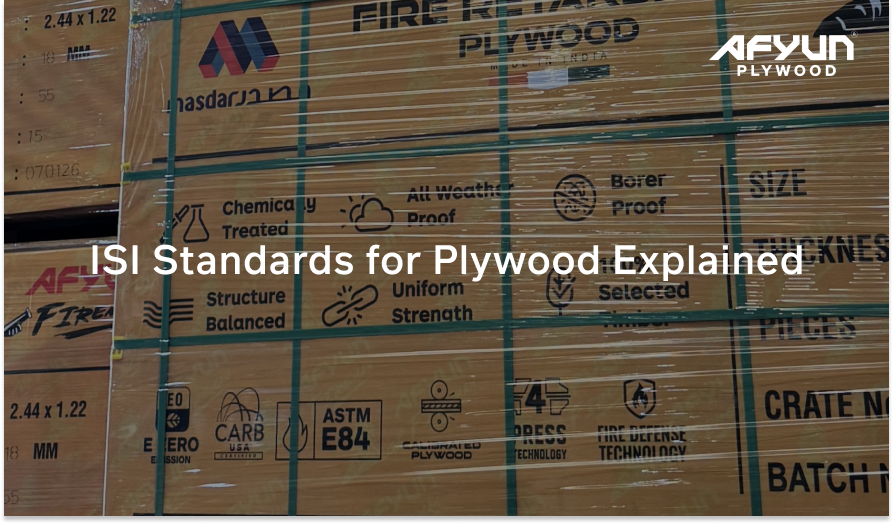
ISI Standards for Plywoods Explained

When it comes to building furniture, interiors, or structural frameworks, plywood remains one of the most trusted materials in modern construction. Yet, not all plywood is created equal. The difference between durable, long-lasting plywood and substandard alternatives often lies in one critical factor: adherence to ISI standards.

Understanding these standards is not just for engineers or architects. Whether you are furnishing a home, designing a workspace, or planning a renovation, knowing how plywood is graded and certified can help you make informed decisions that save both time and money.

What Are ISI Standards?

ISI stands for the Indian Standards Institute, now governed by the Bureau of Indian Standards. It is responsible for setting quality benchmarks across a wide range of products, including plywood.

An ISI mark on plywood indicates that the product complies with specific standards related to strength, durability, moisture resistance, and safety. These standards are not arbitrary. They are established through rigorous testing to ensure consistency and reliability in real-world conditions.

For plywood, the ISI certification assures that:

  • The bonding strength meets prescribed requirements
  • The material can withstand environmental stress
  • The product is safe for its intended use
  • Quality remains consistent across batches

This certification is especially important in a country like India, where varying climate conditions demand resilient materials.

Key ISI Standards for Plywood

Not all plywood serves the same purpose. ISI standards classify plywood based on usage, exposure, and durability. Here are the most important categories you should be aware of.

1. IS 303: Commercial Plywood

This standard applies to general-purpose plywood used for interior applications such as furniture, panelling, and partitions.

Commercial plywood is designed for areas with minimal exposure to moisture. While it offers decent strength and affordability, it is not suitable for kitchens, bathrooms, or outdoor use.

2. IS 710: Marine Plywood

Marine plywood represents the highest grade under ISI standards. It is manufactured using superior adhesives and high-quality hardwood veneers.

What sets it apart:

  • Excellent resistance to water and humidity
  • High durability in extreme conditions
  • Strong bonding that prevents delamination

This type of plywood is ideal for kitchens, bathrooms, and even boat building.

3. IS 1328: Structural Plywood

Structural plywood is used in load-bearing applications where strength is critical. It is commonly used in construction, flooring, and roofing systems.

It undergoes strict testing to ensure it can handle weight, pressure, and environmental stress without compromising integrity.

How ISI Certification Ensures Quality

The process behind ISI certification is detailed and uncompromising. Manufacturers must adhere to strict guidelines during production and undergo regular inspections.

Testing involves:

  • Boiling water resistance checks
  • Adhesive strength evaluation
  • Load-bearing capacity tests
  • Moisture resistance assessments

Only after successfully passing these tests can a product carry the ISI mark. Even after certification, periodic audits ensure that quality does not decline over time.

This level of scrutiny ensures that buyers receive a product that performs as promised.

Plywood Grades and Bonding Types

Beyond ISI standards, plywood is also classified based on bonding types and grades. These classifications often appear alongside ISI markings and provide further clarity on usage.

Bonding Types

  • MR Grade (Moisture Resistant): Suitable for indoor furniture with limited moisture exposure
  • BWR Grade (Boiling Water Resistant): Ideal for kitchens and areas with moderate moisture
  • BWP Grade (Boiling Waterproof): Used in marine plywood for maximum water resistance

Face Grades

Plywood surfaces are graded based on appearance and finish:

  • A Grade: Smooth, defect-free surface suitable for decorative use
  • B Grade: Minor imperfections, still visually acceptable
  • C Grade: Visible defects, used for non-decorative purposes

Understanding these combinations helps in selecting plywood that balances aesthetics with performance.

Common Misconceptions About ISI Plywood

Despite its importance, there are several misunderstandings surrounding ISI-certified plywood.

Many assume that all plywood available in the market meets ISI standards. This is not always the case. Some products may carry markings that resemble certification but do not comply with actual testing requirements.

Another common belief is that higher cost always guarantees better quality. While premium products often meet higher standards, verifying ISI certification remains essential regardless of price.

It is also often overlooked that different applications require different standards. Using commercial plywood in high-moisture areas can lead to premature damage, even if the product is technically certified for indoor use.

How to Identify Genuine ISI Certified Plywood

Spotting authentic ISI plywood requires attention to detail. The marking should be clear, legible, and include specific information such as:

  • IS code number
  • Manufacturer’s identification
  • Certification mark

In addition to visual inspection, purchasing from trusted sources plays a crucial role. Established dealers and plywood suppliers in Bangalore often provide proper documentation and product assurance, making it easier to verify authenticity.

Why ISI Standards Matter in Real Applications

Choosing plywood without considering ISI standards can lead to significant issues over time. Warping, swelling, and delamination are common problems associated with substandard materials.

In contrast, ISI-certified plywood offers:

  • Long-term durability
  • Better resistance to environmental changes
  • Enhanced safety in structural applications
  • Reduced maintenance costs

For homeowners, this means furniture that lasts longer. For businesses, it ensures reliable infrastructure. For designers, it provides the confidence to create without compromise.

Choosing the Right Plywood for Your Needs

Selecting the right plywood involves more than just picking a type. It requires understanding how different standards align with specific applications.

For living room furniture or wardrobes, commercial plywood may suffice. In kitchens or utility areas, opting for boiling water resistant or marine-grade plywood is a smarter choice.

Structural projects demand even higher standards, where load-bearing capacity and durability become critical factors.

Making the right choice at the beginning prevents costly repairs or replacements later.

The Role of Trusted Manufacturers

While ISI certification provides a strong foundation, the manufacturer’s expertise also plays a significant role in ensuring quality.

Reputable manufacturers focus on:

  • High-quality raw materials
  • Advanced production techniques
  • Consistent quality control

This combination results in plywood that not only meets standards but exceeds expectations in performance and longevity.

Build with Confidence with Afyun Plywood

When quality, reliability, and performance matter, choosing the right plywood brand becomes essential. Afyun Plywood is committed to delivering products that align with stringent ISI standards while offering durability and precision for modern applications.

Whether you are designing a home, setting up a workspace, or working on large-scale projects, Afyun ensures that every sheet of plywood meets the demands of real-world use.

Explore Afyun Plywood today and build with confidence, strength, and lasting quality.

What is Commercial Plywood? A Complete Guide for Homeowners and Builders

When planning interiors or furniture, one of the most commonly used materials you will come across is commercial plywood. It is widely used across homes, offices, and retail spaces due to its affordability and versatility. However, many people misunderstand its properties and end up using it in places where it may not perform well.

In this guide, we will explore what commercial plywood is, how it is made, where it is used, and how to choose the right quality for your needs.

Understanding Commercial Plywood

Commercial plywood is a type of plywood primarily designed for indoor applications. It is also known as MR grade plywood, where MR stands for moisture resistant. This means it can withstand a certain level of humidity but is not suitable for direct or prolonged exposure to water.

Plywood itself is made by bonding thin layers of wood veneers together. Each layer is placed at a right angle to the next, which improves strength and reduces the chances of bending or warping. This layered construction makes plywood more stable than solid wood.

Commercial plywood uses urea-formaldehyde resin as the adhesive. This gives it moderate resistance to moisture, making it suitable for general interior use.

Key Features of Commercial Plywood

Commercial plywood is popular because it offers a practical balance between cost and performance. It is especially useful for large interior projects where budget plays an important role.

Key features include:

  • Moisture resistant but not waterproof
  • Manufactured under IS 303 standards
  • Smooth surface for laminates and polishing
  • Lightweight and easy to work with
  • Good strength for indoor furniture
  • Cost-effective compared to higher-grade plywood

Because of these characteristics, it is one of the most commonly used plywood types in India.

Where is Commercial Plywood Used?

Commercial plywood is best suited for dry interior spaces. It is widely used in residential as well as commercial settings.

It works particularly well in furniture and décor elements that are not exposed to water. For example, wardrobes, shelves, and office furniture are ideal applications.

Common uses include:

  • Wardrobes and cupboards
  • TV units and display cabinets
  • Office desks and workstations
  • Wall panelling and partitions
  • Bookshelves and storage units
  • Retail fixtures

However, it is important to remember that using commercial plywood in kitchens or bathrooms can lead to swelling and damage over time.

Types of Commercial Plywood

While commercial plywood generally refers to MR grade, there are slight variations available depending on quality and resistance levels.

MR Grade Plywood

This is the standard commercial plywood used in most interior applications. It is economical and widely available, making it the first choice for general furniture.

BWR Grade Plywood

This is a slightly improved version with better moisture resistance. It can handle occasional exposure to water, making it suitable for areas like utility spaces.

Even though BWR performs better, MR plywood remains the most commonly used commercial plywood.

Commercial Plywood vs Other Plywood Types

Understanding how commercial plywood compares with other types helps in making informed decisions.

FeatureCommercial (MR)BWPMarine
Water ResistanceLowHighVery High
UsageDry interiorsSemi-wet areasWet areas
CostLowMediumHigh
DurabilityModerateHighVery High

This comparison shows that commercial plywood is best suited for interior use where moisture exposure is minimal.

Advantages of Commercial Plywood

Commercial plywood offers several benefits that make it a preferred material for many projects.

  • Affordable and budget-friendly
  • Easily available in various sizes and thicknesses
  • Suitable for a wide range of interior applications
  • Easy to cut, shape, and install
  • Compatible with laminates, veneers, and paints

For large projects such as home interiors or office setups, it helps in keeping costs under control without compromising on functionality.

Limitations You Should Know

While commercial plywood is useful, it is not suitable for every application. Understanding its limitations is essential.

Some key drawbacks include:

  • Not waterproof
  • Prone to swelling if exposed to water
  • Less durable in high humidity conditions
  • Not suitable for kitchens, bathrooms, or outdoor use

Using the wrong type of plywood can lead to frequent repairs and additional expenses.

How to Choose Good Quality Commercial Plywood

Selecting the right plywood is just as important as choosing the right type. Poor-quality plywood can fail even in ideal conditions.

When buying commercial plywood, keep the following points in mind:

  • Look for ISI certification under IS 303
  • Check for a smooth and even surface
  • Inspect edges for gaps or uneven layers
  • Ensure the board is free from cracks and warping

It is also important to buy from trusted sources. Many homeowners prefer working with reliable plywood suppliers in Bangalore to ensure they get genuine and well-stored products suitable for long-term use.

Common Mistakes to Avoid

Many people make simple mistakes that reduce the life of commercial plywood.

  • Using MR plywood in wet areas
  • Assuming moisture resistant means waterproof
  • Ignoring edge sealing after installation
  • Choosing price over quality
  • Not checking certifications

Avoiding these mistakes can help maintain the durability of your furniture and interiors.

About Afyun Plywood

When selecting plywood, the brand plays a crucial role in determining quality and performance. Afyun Plywood is known for offering reliable and high-quality plywood solutions for a wide range of applications.

Their product range includes:

  • Commercial MR plywood for interiors
  • BWP plywood for moisture-prone areas
  • Marine plywood for high durability requirements

Afyun focuses on consistent manufacturing standards, ensuring that every board delivers strength, stability, and long-lasting performance. Their plywood is designed to meet the needs of modern interiors while maintaining quality and reliability.

Most Trusted Plywood

Choosing the right plywood is an investment in the durability of your space. With Afyun Plywood, you get dependable quality that supports your interiors for years to come.

Whether you are designing a home, setting up an office, or working on a renovation project, make the smart choice with Afyun.

Explore Afyun Plywood today and build interiors that combine strength, style, and lasting value.

FAQs

1. What is commercial plywood used for?

Commercial plywood is mainly used for indoor furniture such as wardrobes, shelves, office desks, and wall panelling where exposure to moisture is minimal.

2. Is commercial plywood waterproof?

No, commercial plywood is not waterproof. It is moisture resistant, which means it can handle slight humidity but should not be exposed to water.

3. What is the difference between commercial plywood and marine plywood?

Commercial plywood is suitable for dry interiors, while marine plywood is designed for high moisture and wet conditions, offering much higher durability.

4. Can commercial plywood be used in kitchens?

It is not recommended for areas with high moisture like kitchens or bathrooms. BWP or marine plywood is a better choice for such spaces.

5. How do I identify good quality commercial plywood?

Check for ISI certification, smooth surface finish, uniform thickness, and ensure the plywood is free from gaps, cracks, and warping.

6. Is commercial plywood cost-effective?

Yes, it is one of the most affordable plywood options, making it ideal for large-scale interior projects where budget is a concern.

Which Material is Best for Modern Interiors: Plywood vs WPC vs PVC Boards

Modern interiors are no longer just about aesthetics. Today, materials must balance durability, moisture resistance, cost, and ease of maintenance. This is where the debate between plywood, WPC, and PVC boards becomes highly relevant.

Each of these materials has its strengths and limitations. Choosing the right one depends not only on design preference but also on where and how it will be used. A wardrobe, kitchen cabinet, or bathroom vanity all demand different performance standards.

Let us explore how these three materials compare in real-world interior applications.

Materials 

Before comparing them, it is important to understand what each material is made of and how that affects its performance.

Plywood is a natural engineered wood product made by layering thin veneers and bonding them together. This cross-layered structure gives it high strength and durability.

WPC (Wood Plastic Composite) is a hybrid material made from wood fibres and thermoplastic resins. It combines the look of wood with the properties of plastic.

PVC (Polyvinyl Chloride) boards are fully synthetic plastic panels known for being lightweight, waterproof, and low maintenance.

Each material is designed to solve different challenges in interior design.

Strength and Structural Performance

When it comes to strength, plywood has a clear advantage.

  • Plywood’s layered structure provides excellent load-bearing capacity
  • It holds screws and nails firmly, making it ideal for furniture
  • It performs well in long-span applications like wardrobes and beds

Studies show plywood can support significantly higher weight compared to WPC, making it the preferred choice for structural furniture.

WPC, while durable, is less suited for heavy loads. It may flex under constant weight and often requires reinforcement in furniture.

PVC boards are even lighter and are not designed for structural strength. They are better suited for panels, partitions, and decorative elements rather than load-bearing furniture.

Water Resistance and Moisture Performance

This is where the balance shifts dramatically.

  • PVC boards are completely waterproof and unaffected by moisture
  • WPC boards are highly water-resistant and do not swell or rot
  • Plywood depends on grade and treatment for moisture resistance

WPC is widely preferred in wet areas because it does not absorb water and requires minimal maintenance.

PVC goes a step further with full waterproof capability, making it ideal for bathrooms and sink units.

Plywood, especially marine grade, can handle moisture but still requires proper sealing and care over time.

Durability and Lifespan

Durability is not just about strength but also resistance to environmental factors.

Plywood offers long-term durability when used in dry conditions. However, it may warp or degrade if exposed to continuous moisture.

WPC stands out for:

  • Termite resistance
  • Moisture stability
  • Minimal expansion or contraction

PVC boards also offer excellent durability with resistance to chemicals, moisture, and pests.

However, PVC may not always provide the same premium feel or rigidity as plywood in furniture applications.

Cost Comparison

Budget plays a crucial role in material selection.

  • Plywood is generally more affordable upfront
  • WPC tends to be moderately expensive due to advanced manufacturing
  • PVC boards are often cost-effective depending on thickness and quality

In India, plywood typically costs less per square foot compared to WPC, making it a popular choice for large-scale interior work.

However, WPC and PVC may reduce long-term maintenance costs, especially in moisture-prone areas.

Aesthetic Appeal and Finish

Design flexibility is another important factor in modern interiors.

Plywood offers:

  • Natural wood grain finish
  • Better compatibility with laminates and veneers
  • A premium look for furniture

WPC provides a uniform surface but lacks the natural texture of wood.

PVC boards, on the other hand, offer:

  • Smooth and glossy finishes
  • Pre-finished decorative options
  • Easy cleaning and maintenance

While PVC is practical, it may not always match the richness of wood-based interiors.

Ease of Installation and Workability

From a practical standpoint, ease of handling can impact both cost and efficiency.

  • Plywood is easy to cut, nail, and assemble using traditional carpentry
  • WPC requires specialised handling for screws and fittings
  • PVC is lightweight and easy to install, especially for modular designs

WPC’s uniform structure eliminates the need for edge banding, which can reduce labour time in some cases.

PVC’s lightweight nature makes it suitable for quick installations in ceilings and wall panels.

Ideal Applications in Modern Interiors

Choosing the right material often comes down to where it will be used.

Plywood Works Best For

  • Wardrobes and cabinets
  • Beds and structural furniture
  • Living room units
  • Office furniture

WPC Is Ideal For

  • Modular kitchens
  • Bathroom vanities
  • Utility areas
  • Wall partitions

PVC Boards Are Suitable For

  • Ceiling panels
  • Wall cladding
  • Bathroom units
  • Decorative panels

A hybrid approach is often the smartest choice. Many designers combine plywood for structure with WPC or PVC in moisture-prone areas for better performance.

Making the Right Choice

There is no single “best” material. The right choice depends on your priorities.

If strength and longevity are your main concerns, plywood remains unmatched. If you are dealing with high moisture, WPC or PVC offers better protection. If low maintenance is the goal, PVC stands out.

For most modern interiors, a thoughtful combination of all three materials delivers the best results.

When sourcing quality materials, working with trusted plywood suppliers in Chennai ensures you get certified products that meet performance expectations and design needs.

Why Material Choice Matters More Than Ever

Modern living spaces demand materials that can adapt to changing lifestyles. Open kitchens, compact bathrooms, and modular furniture require smarter solutions.

Choosing the wrong material can lead to:

  • Frequent repairs
  • Reduced lifespan of furniture
  • Compromised aesthetics

On the other hand, the right material enhances both functionality and design.

Build Smarter with Afyun Plywood

When it comes to dependable performance and consistent quality, Afyun Plywood stands out as a trusted choice for modern interiors. Designed to meet evolving needs, Afyun products combine strength, durability, and precision for a wide range of applications.

Whether you are creating elegant living spaces or functional kitchens, Afyun ensures every project is built on a solid foundation.

Choose Afyun Plywood today and bring strength, style, and reliability into every corner of your interiors.

FAQs

1. Which material lasts the longest for furniture?
Plywood generally offers the longest lifespan when used in dry conditions and properly maintained.

2. Is WPC better than plywood for kitchens?
WPC performs better in high-moisture areas like kitchens due to its water resistance.

3. Are PVC boards strong enough for wardrobes?
PVC boards are not ideal for heavy furniture like wardrobes as they lack structural strength.

4. Which material is completely waterproof?
PVC boards are fully waterproof, while WPC is highly water-resistant.

5. Is plywood more affordable than WPC?
Yes, plywood is usually more cost-effective compared to WPC for most applications.

6. Can these materials be used together?
Yes, many interiors use a combination of plywood for structure and WPC or PVC for moisture-prone areas.

7. Which material requires the least maintenance?
PVC boards require the least maintenance due to their smooth and non-porous surface.

How to Choose Plywood for Coastal Areas

Choosing plywood for coastal regions is not as simple as picking a standard board from a store. Coastal environments such as Chennai, Kochi, or Mumbai present unique challenges that can significantly reduce the lifespan of ordinary plywood. High humidity, salt-laden air, and frequent exposure to moisture demand a more thoughtful and informed approach.

If you have ever noticed furniture swelling, peeling laminates, or a musty smell in homes near the sea, the reason is often poor material selection. Plywood, being an engineered wood product, reacts strongly to environmental conditions. In coastal areas, this reaction is amplified, making it essential to choose the right type from the very beginning.

Why Coastal Areas Are Challenging for Plywood

Coastal climates are harsh on wood-based materials. The constant exposure to moisture and salt accelerates deterioration in ways that inland environments do not. Over time, even well-crafted furniture can begin to lose its strength and finish if unsuitable plywood is used.

Some of the major challenges include:

  • High humidity levels that remain consistently elevated
  • Salt-laden air, which weakens bonding agents
  • Frequent expansion and contraction due to moisture changes
  • Fungal growth and termite activity
  • Warping, bubbling, and delamination

In such conditions, using regular plywood is a costly mistake. Within a few years, furniture and fittings may begin to show visible signs of damage, leading to frequent repairs or replacements.

Types of Plywood Suitable for Coastal Areas

Understanding plywood grades is essential before making a decision. Not all plywood is designed to handle moisture, and choosing the wrong type can lead to premature failure.

1. Marine Grade Plywood (IS 710)

Marine plywood is widely regarded as the best option for coastal environments. It is specially engineered to withstand high moisture and even occasional water exposure.

Key features:

  • Made with high-quality hardwood veneers
  • Bonded using waterproof phenolic resins
  • Highly resistant to humidity and boiling water conditions
  • Treated against fungi and borers

Best used for:

  • Kitchen cabinets
  • Bathroom vanities
  • Outdoor or semi-outdoor furniture

This type of plywood is designed for durability, making it a long-term investment for coastal homes.

2. BWP Plywood (Boiling Water Proof)

BWP plywood is another suitable option, especially for interiors that are not directly exposed to extreme moisture but still require strong water resistance.

Key features:

  • High resistance to water exposure
  • Strong bonding strength
  • Suitable for wet interior applications

While it performs well in humid environments, it may not match the resilience of marine plywood in highly exposed coastal zones.

3. MR Plywood (Moisture Resistant)

MR plywood is commonly used in many homes due to its affordability, but it is not suitable for coastal areas.

Limitations:

  • Not waterproof
  • Absorbs moisture quickly
  • Prone to swelling and fungal attack

It is best reserved for dry interior spaces away from moisture.

Comparison of Plywood Types

FeatureMarine PlywoodBWP PlywoodMR Plywood
Water ResistanceExcellentVery GoodLow
Durability in Coastal AreasHighestModeratePoor
CostHighMediumLow
Suitable for Wet AreasYesYesNo
Lifespan in Coastal Climate15+ years7 to 10 years2 to 5 years

This comparison clearly shows why marine plywood is the preferred choice for coastal regions, despite its higher initial cost.

Key Factors to Consider When Choosing Plywood

Selecting the right plywood involves careful evaluation. Beyond the type, several technical factors influence performance.

1. Moisture Content

Plywood with lower moisture content performs better in coastal climates. Ideally, it should be between 8 to 12 percent. Lower moisture levels reduce the chances of expansion and warping after installation.

2. Type of Adhesive Used

Adhesives play a critical role in durability. Phenolic resins are highly recommended as they maintain bonding strength even in wet conditions.

3. Core Quality

The internal structure of plywood determines its strength.

  • Choose void-free cores
  • Ensure uniform layering
  • Avoid sheets with visible gaps

A strong core prevents long-term structural issues.

4. Anti-Termite and Anti-Fungal Treatment

Coastal areas encourage biological growth. Treated plywood ensures protection against termites, fungi, and borers, which can otherwise destroy furniture from within.

5. Certification Standards

Always look for certified plywood that meets recognised standards. This ensures consistent quality and tested performance under demanding conditions.

Practical Buying Tips

Buying plywood is not just about selecting a type. The condition and handling of the material also matter greatly.

  • Inspect sheets for warping or bending
  • Check edges for uniformity and strength
  • Avoid plywood with a damp or musty smell
  • Ensure proper storage at the supplier’s location
  • Ask about warranties and product origin

A careful inspection can save you from costly mistakes later.

In addition, working with experienced dealers makes a significant difference. Many homeowners prefer sourcing from plywood suppliers in Kerala who are familiar with coastal conditions and can recommend suitable grades for long-term durability.

Installation Tips for Coastal Areas

Even the best plywood can underperform if installation is not done correctly. Proper handling during installation enhances lifespan and maintains quality.

Follow these best practices:

  • Seal all edges with waterproof coatings
  • Use rust-resistant screws and fittings
  • Avoid direct contact with damp surfaces
  • Ensure good ventilation in cabinets and wardrobes
  • Apply laminates or protective finishes

These small steps go a long way in preserving the integrity of plywood in coastal homes.

Common Mistakes to Avoid

Homeowners often make decisions based on cost rather than suitability, which leads to long-term issues.

  • Choosing cheaper MR plywood for coastal use
  • Ignoring edge sealing and finishing
  • Using poor-quality adhesives during lamination
  • Not allowing plywood to adjust to room conditions before installation
  • Buying from unreliable or inexperienced suppliers

Avoiding these mistakes can help you maintain durable and long-lasting interiors.

Final Thoughts

Choosing plywood for coastal areas is about understanding the environment and selecting materials that can withstand it. Marine plywood stands out as the most reliable option, while BWP plywood offers a good balance between cost and performance for certain applications.

A well-informed decision ensures that your furniture remains strong, stable, and visually appealing for years. Investing in quality materials at the start reduces maintenance costs and enhances the overall value of your home.

Build Better with Afyun Plywood

When it comes to creating interiors that last in coastal conditions, quality should never be compromised. Afyun Plywood offers premium-grade solutions designed to handle high humidity, moisture exposure, and long-term wear.

Whether you are designing a new home or upgrading existing interiors, choosing Afyun means choosing durability, reliability, and performance. Explore their range today and give your coastal spaces the strength they deserve.

Why Afyun Fire Retardant Plywood is the Global Standard for Safety and Strength

In today’s increasingly dense urban environments and complex architectural projects, fire safety in buildings has become essential rather than optional. Plywood continues to be a widely used material for interiors, furniture, and structural applications. 

However, standard plywood can contribute to fire risks if not treated properly. Afyun fire retardant plywood has emerged as the industry leader, setting a gold standard that combines elite fire protection with structural excellence.

This blog explores why Afyun is widely considered the best fire-retardant plywood globally, detailing its certifications, innovative technology, and the unmatched safety it brings to your doorstep.

1. The Science of Safety: How Afyun Defeats Fire

Afyun’s fire-retardant plywood isn’t just coated; it is engineered. The wood undergoes a specialized Pressure Impregnation Process where fire-retardant chemicals are forced deep into the wood fibers. This creates a material that performs three critical functions during a fire:

  • Delayed Ignition: It takes significantly longer for the plywood to catch fire compared to standard wood.
  • Char Formation: Instead of feeding the flames, the surface creates a protective layer of “char.” This carbonaceous layer acts as an insulator, protecting the inner core and maintaining structural integrity.
  • Smoke Suppression: Statistics show that most fire-related fatalities are caused by smoke inhalation, not flames. Afyun’s advanced chemical formulation minimizes toxic smoke emission, keeping escape routes visible and breathable.

2. Global Certifications and Standards

What truly sets Afyun apart is its compliance with rigorous international and national standards. When you choose Afyun, you aren’t just taking the manufacturer’s word; you are relying on global benchmarks of safety.

StandardRegionDescription
EN 13501EuropeThe leading European standard for the fire classification of construction products and building elements.
ASTM E-84USAThe standard test method for surface burning characteristics of building materials (Smoke & Flame Spread).
UL 723GlobalA globally recognised safety certification for the test of surface burning characteristics of various materials.
IS 5509IndiaThe primary Indian standard for fire-retardant plywood. Afyun products like Afyun Fireman are fully certified.
CARB CertifiedUSA (Global)Ensures ultra-low formaldehyde emissions (Phase 2), making it safe for indoor air quality.
Civil DefenceMiddle East / IndiaAfyun is the first Indian company to secure this certification, making it a trusted partner for projects in the UAE and KSA.
ISO 9001 & 14001GlobalReflects world-class quality management and high-level environmental responsibility.

Alignment with Global Testing Benchmarks

Afyun’s engineering aligns with the most stringent global tests, including:

  • ASTM E84 (USA): Measures flame spread and smoke density.
  • BS 476 (UK): Tests for fire propagation and surface spread of flame.
  • Euroclass B-s1, d0: The European benchmark for “Reaction to Fire,” signifying very limited contribution to fire, low smoke, and no flaming droplets.

3. Beyond Fire: The All-Rounder Plywood

While Fire Retardant is in the name, Afyun doesn’t compromise on the traditional qualities of premium plywood.

  • Dual Standard Protection: Many Afyun products, like the Afyun Club Fire, meet both IS 5509 (Fire Retardant) and IS 710 (Marine Grade/Boiling Water Proof). This means your kitchen cabinets are safe from both a stovetop fire and a sink leak.
  • Termite and Borer Resistant: Treated with specialized Glue Line Protection (GLP), Afyun plywood is chemically enhanced to repel pests that typically destroy wooden furniture.
  • Structural Integrity: Using 100% selected hardwood timber and 4-Press Technology, the panels offer high impact resistance and dimensional stability. They won’t warp or swell under fluctuating temperatures.

4. Where Should You Use Afyun Fire Retardant Plywood?

Given its superior safety profile, Afyun is the preferred choice for:

  1. High-Traffic Public Spaces: Airports, hospitals, hotels, and shopping malls where fire safety codes are mandatory.
  2. Home Kitchens: The most fire-prone area of any home.
  3. Electrical Panels: Behind server racks or circuit breakers to prevent electrical fires from spreading.
  4. Transportation: Interior paneling for railway coaches, buses, and marine vessels.

5. Frequently Asked Questions 

Q1: Is fire-retardant plywood fireproof?

No. No wood is 100% fireproof. However, fire-retardant plywood is “fire-rated,” meaning it resists ignition and slows the spread of fire significantly (often giving you a 20-30 minute window), which is crucial for evacuation and firefighting.

Q2: Does the fire-retardant chemical treatment smell?

Afyun uses advanced, low-emission chemicals. Because it is CARB certified, it ensures that the plywood does not emit harmful gases, maintaining healthy indoor air quality.

Q3: Can I paint or polish Afyun fire-retardant plywood?

Yes. You can apply laminates, veneers, paints, or polishes just like regular plywood. The fire-retardant properties are embedded within the wood fibers and are not affected by surface finishes.

Q4: How do I verify if my plywood is genuine Afyun?

Look for the ISI 5509 stamp, the unique CML number, and the Afyun hologram. You can also scan the QR codes provided on many Afyun boards for digital authentication.

Q5: Is it more expensive than regular plywood?

While the upfront cost is slightly higher due to the intensive chemical treatment and premium timber, it is a one-time investment in life safety. It can also lead to lower insurance premiums for commercial buildings.

A Small Choice with a Massive Impact

Choosing Afyun fire retardant plywood is an investment in peace of mind. By meeting the world’s most demanding safety standards and combining them with marine-grade durability, Afyun ensures that your beautiful interiors are built to last—and built to protect.

Fire Retardant Plywood vs. Fire Retardant MDF: Which One Offers Better Fire Safety for Modern Interiors?

When it comes to designing modern interiors, aesthetics usually take center stage. We dream of sleek cabinetry, elegant wall paneling, and sophisticated furniture. However, behind the beautiful veneers and trendy paint colors lies a critical decision that could quite literally be a matter of life and death: the core material of your structures.

In the world of safety-conscious construction, two heavyweights often go head-to-head: Fire Retardant (FR) Plywood and Fire Retardant (FR) MDF. Both are engineered to slow the spread of flames and reduce smoke production, but they are not created equal.

If you are a homeowner, interior designer, or contractor looking to balance style with maximum security, this guide will walk you through why choosing the right material matters and why Fire Retardant Plywood often emerges as the gold standard for safety and durability.

Understanding the Basics: What Makes Them Fire Retardant?

Before we dive into the comparison, it’s important to understand what “Fire Retardant” actually means. These materials are not “fireproof”—given enough time and heat, almost anything will burn. Instead, they are chemically treated during the manufacturing process to:

  1. Inhibit Ignition: They require a much higher temperature to catch fire.
  2. Slow Flame Spread: If they do catch fire, the flames move much slower across the surface.
  3. Reduce Smoke: Most fire-related fatalities are caused by smoke inhalation, not the heat itself. FR materials are designed to emit significantly less toxic smoke.

The Case for Fire Retardant Plywood

Fire Retardant Plywood is often the unsung hero of high-end commercial and residential projects. It is constructed by layering thin sheets of wood veneer (plies) glued together with the grain of adjacent layers rotated up to 90 degrees.

1. Superior Structural Integrity Under Heat

One of the most significant advantages of FR Plywood is its performance under extreme thermal stress. Because of its cross-laminated structure, plywood is incredibly strong. In the event of a fire, FR Plywood maintains its structural integrity longer than MDF. This is crucial because it gives occupants more time to evacuate and prevents the premature collapse of walls or ceilings.

2. Moisture Resistance and Durability

Modern interiors often face challenges like humidity (especially in coastal or tropical regions). FR Plywood is naturally more resistant to moisture than MDF. When MDF gets wet, it tends to swell like a sponge and lose its shape. Plywood, however, remains stable. This means your fire safety investment lasts longer and stays effective even in kitchens or bathrooms.

3. Lightweight and Versatile

For designers, FR Plywood is a dream. It offers a high strength-to-weight ratio. It’s easier to handle on-site, puts less strain on building frames, and can be used for everything from heavy-duty wall sheathing to intricate decorative baffles.

4. Meeting Global Standards

For those working in rapidly developing urban hubs, the quality of materials is non-negotiable. Whether you are building a luxury villa or a high-rise office, sourcing high-quality fire-retardant plywood in UAE ensures that your project complies with the stringent Civil Defence regulations often found in the Middle East, where fire safety is a top priority for modern skyscrapers.

Fire Retardant MDF: The Decorative Alternative

Medium-density fiberboard (MDF) is made by breaking down hardwood or softwood residuals into wood fibers, combining them with wax and a resin binder, and forming panels by applying high temperature and pressure.

The Pros of FR MDF:

  • Ultra-Smooth Surface: MDF has no grain, making it the perfect substrate for high-gloss paints or thin foils.
  • Cost-Effective: Generally, FR MDF is more budget-friendly than FR Plywood.
  • No Voids: Unlike some lower-grade plywoods, MDF is consistent throughout, making it easy to CNC machine or route into complex patterns.

The Cons of FR MDF:

While FR MDF is excellent for decorative wall panels, it lacks the “backbone” of plywood. It is significantly heavier, making installation more labor-intensive. More importantly, in a fire, MDF tends to degrade faster as the resins and waxes that hold the fibers together break down under intense heat.

Head-to-Head: Plywood vs. MDF

FeatureFire Retardant PlywoodFire Retardant MDF
Structural StrengthExceptional (Cross-laminated)Moderate (Fiber-based)
WeightLightweight & Easy to handleHeavy & Denser
Moisture ResistanceHighLow (Prone to swelling)
Screw HoldingExcellentAverage
Best ForStructural walls, ceilings, cabinetryDecorative panels, furniture, molding
Fire PerformanceHigh (Charring layer protects core)Good (Slow burn, but loses shape)

Why Fire Retardant Plywood is the Positive Choice for Modern Homes

When we talk about “positive” choices in construction, we talk about peace of mind. Choosing FR Plywood is a proactive step toward a safer living environment.

Imagine a modern kitchen. It’s the heart of the home, but also where most house fires start. Using FR Plywood for the cabinetry carcasses provides a robust barrier. If a small stovetop fire occurs, the FR-treated plywood cabinets will resist ignition and won’t feed the fire, potentially containing the damage to a single corner of the room rather than letting it sweep through the house.

Furthermore, plywood is often seen as the more “natural” choice. While both products use resins, the visible wood grain and the traditional manufacturing process of plywood resonate with the “biophilic” design trends seen in modern interiors, bringing the safety of technology together with the warmth of nature.

Environmental Impact and Indoor Air Quality

Modern interiors aren’t just about fire safety; they are about health. High-quality Fire Retardant Plywood manufacturers have made massive strides in reducing formaldehyde emissions. By choosing FR Plywood from reputable suppliers, you ensure that you aren’t just protecting your home from fire, but also protecting your family from harmful VOCs (Volatile Organic Compounds).

Which One Should You Choose?

If your priority is maximum safety, structural longevity and moisture resistance, Fire Retardant Plywood is the clear winner. It is the professional’s choice for load-bearing applications and areas where durability is paramount.

If your priority is decorative carving and a tight budget for non-structural elements, FR MDF is a viable secondary option.

For a holistic, safety-first modern interior, the combination of the two is often used—Plywood for the structure and MDF for the decorative finishes. But if you have to pick one to be the hero of your home’s safety, plywood takes the crown every time.

FAQs: Everything You Need to Know

1. Is Fire Retardant Plywood completely fireproof? No. It is “fire-resistant.” It is designed to delay the spread of fire and maintain its strength longer than standard wood, providing vital time for firefighting efforts and evacuation.

2. How can I tell if plywood is truly fire-retardant? Look for stamps or certifications on the board. Genuine FR Plywood will usually have a Class A or Class B fire rating (under Euroclass or ASTM standards). In the UAE, look for Civil Defense Compliance approved certifications.

3. Can I paint or veneer FR Plywood? Yes! You can apply veneers, laminates, or paint to FR Plywood. However, ensure that the adhesives and paints used are also fire-rated so they don’t compromise the board’s performance.

4. Does the fire-retardant chemical wear off over time? When the treatment is done during the manufacturing process (pressure-impregnated), the chemicals are locked into the wood fibers and do not “wear off” under normal indoor conditions.

5. Is FR Plywood more expensive than regular plywood? Yes, because of the specialized chemical treatment and the rigorous testing it must undergo. However, the cost is a small price to pay compared to the potential loss of property or life.

6. Can I use FR Plywood outdoors? Most FR Plywood is rated for “Interior” or “Protected Exterior” use. If it gets constantly soaked by rain, the chemicals can leach out. Always check the manufacturer’s specifications for exterior use.

7. Does FR Plywood smell? High-quality FR Plywood is virtually odorless. Older or lower-quality treatments might have a slight chemical scent, but modern standards ensure they are safe for indoor use.

8. Why is FR Plywood better for the UAE climate? The high humidity and temperature fluctuations in the region can stress building materials. Plywood’s layered construction handles these environmental stresses much better than MDF, ensuring the fire-retardant properties remain stable for decades.

Conclusion

Investing in fire safety is never a waste. While it’s easy to get distracted by the color of the walls or the style of the furniture, the “bones” of your interior are what truly protect you. By choosing Fire Retardant Plywood, you are opting for a material that is strong, reliable, and scientifically proven to save lives.

Make the wise choice for your next project, choose the strength and safety of fire-retardant plywood from Afyun Plywood .

Why Afyun is the Gold Standard for Fire Retardant Plywood in the UAE

In the architectural landscape of the United Arab Emirates (UAE), where skyscrapers touch the clouds and safety is non-negotiable, the choice of construction materials is a matter of life and death. As Dubai and Abu Dhabi continue to push the boundaries of modern infrastructure, the UAE Fire and Life Safety Code of Practice has become one of the most stringent regulatory frameworks globally.

Meeting these requirements demands scientifically engineered, fully certified solutions. Afyun plywood is manufactured with a fire-retardant inner layer that slows flame spread up to three times more effectively than conventional plywood. As a result,  Afyun fire retardant plywoods has emerged as the premier choice for developers, contractors and architects across the UAE, providing a shield of safety that is backed by an elite portfolio of international and national certifications.

The Role of Fire Retardant Plywood in UAE Construction

The UAE’s climate and vertical density present unique challenges. High temperatures and the proximity of structures in urban hubs like Dubai Marina or Business Bay mean that a localized fire can quickly escalate. Standard plywood acts as fuel; fire retardant plywood, however, is treated with specialized chemicals that trigger a chemical reaction when exposed to heat.

Afyun’s technology ensures that the plywood:

  • Delays Ignition: Provides crucial minutes for evacuation.
  • Reduces Flame Spread: Prevents the fire from “racing” across walls and ceilings.
  • Minimizes Smoke Toxicity: Most fire-related fatalities are due to smoke inhalation, not flames. Afyun’s core is engineered to emit minimal, non-toxic smoke.

Afyun’s Global and National Certifications

Afyun doesn’t just claim quality—it proves it through a rigorous gauntlet of testing. Each certification represents a specific hurdle cleared to ensure the safety of your project.

1. EN 13501: The European Benchmark

The EN 13501-1 is the European standard for fire classification of construction products. It evaluates three critical areas:

  • Reaction to Fire: How the material contributes to fire growth.
  • Smoke Production: Rated from s1 (little to no smoke) to s3 (substantial smoke).
  • Flaming Droplets: Rated from d0 (no droplets) to d2 (persistent droplets).
    Afyun consistently achieves top-tier ratings, ensuring it meets the “Euroclass” requirements often specified by international consultants in the UAE.

2. ASTM E84: Surface Burning Characteristics

Used extensively in North America and adopted by many UAE consultants, the ASTM E84 (often called the Steiner Tunnel Test) measures the Flame Spread Index (FSI) and the Smoke Developed Index (SDI). Afyun’s plywood falls within Class A, the highest possible rating, meaning it has the lowest fire spread risk.

3. IS 5509: The Foundation of Fire Resistance

As the primary Indian Fire Retardant Standard, IS 5509 ensures the core of the plywood is treated under pressure. Unlike many competitors who only treat the surface, Afyun ensures the inner core is also fire retardant, a requirement that IS 5509 strictly monitors.

Why Civil Defense and ESL Compliance is the Ultimate Benchmark

For any material to be legally used in UAE construction, it must pass through the Civil Defense and the Emirates Safety Laboratory (ESL).

Civil Defense Approval (UAE/KSA)

Obtaining UAE Civil Defense Compliance approval is a VIP pass for contractors. It means the product has been vetted by local authorities for use in high-rise buildings, schools, and hospitals. Afyun’s status as a pre-approved brand significantly speeds up the project’s Completion Certificate process, as inspectors already trust the brand’s integrity.

ESL (Emirates Safety Laboratory)

Managed by Dubai Civil Defense, the ESL is the local authority that issues the Certificate of Conformity (CoC).

  • QR Code Tracking: Afyun products come with QR codes linked directly to their ESL-issued CoCs, ensuring 100% traceability on-site.
  • Local Testing: ESL ensures that the plywood performs under the specific environmental conditions of the Middle East, including high humidity and extreme ambient heat.

CARB USA and E0 Standards

Safety isn’t just about fire as most of us presume. It’s about the air we breathe. In the enclosed, air-conditioned environments of the UAE, Off-gassing from cheap adhesives can lead to certain health issues for some..

StandardWhat it EnsuresImportance in UAE
CARB USAStrict limits on Formaldehyde emissions.Essential for luxury villas and high-end offices.
E ZERO (E0)The highest global emission standard (near-zero).Vital for hospitals, nurseries, and green building projects.


By adhering to E0 and CARB USA standards, Afyun ensures that while the plywood protects you from fire, it also maintains pristine indoor air quality.

The Afyun Advantage

Choosing Afyun means choosing a partner that understands the gravity of UAE construction mandates. We are the premium exporter to the region because we don’t cut corners, we treat every layer, verify every batch, and maintain every certification. From Civil Defense Compliance in Dubai to international ASTM E84 ratings, Afyun is engineered for excellence.

Ready to secure your next project with the UAE’s most trusted fire retardant plywood? Contact Afyun Plywoods today.

Frequently Asked Questions 

1. Is Afyun plywood completely fireproof?

No wood is 100% fireproof, but Afyun fire-retardant plywood is “ignition-resistant.” It is designed to resist catching fire and, if it does, it burns at a significantly slower rate and self-extinguishes once the heat source is removed.

2. Does fire-retardant treatment affect the strength of the plywood?

Not in Afyun’s case. Our advanced pressure-treatment process ensures that the fire-retardant chemicals are infused into the fibers without compromising the structural integrity or screw-holding capacity of the wood.

3. Why is ESL certification mandatory in Dubai?

The Dubai Civil Defense mandates ESL certification to ensure that all materials used in the “building envelope” and interior fit-outs meet the updated UAE Fire and Life Safety Code. Without an ESL-issued CoC, a project may fail its final safety inspection.

4. What is the difference between E0 and E1 formaldehyde standards?

E0 is a much stricter standard than E1. While E1 is acceptable for general use, E0 represents the lowest possible emission level, making it the preferred choice for eco-conscious projects and healthcare facilities in the UAE.

5. Can Afyun plywood be used for external cladding?

While primarily used for interior partitions, ceilings, and furniture, certain grades can be used in exterior assemblies provided they are part of a system that has passed the NFPA 285 fire propagation test, as required by UAE law

Enquire Now