Toll free number

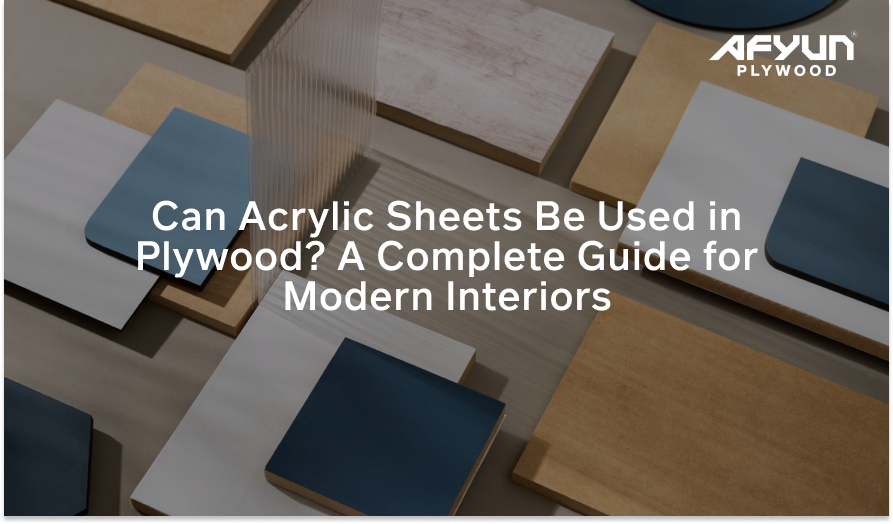
Can Acrylic Sheets Be Used in Plywood? A Complete Guide for Modern Interiors

Modern interiors are no longer limited to plain wood finishes and traditional laminates. Homeowners, architects, and interior designers now look for materials that combine style, durability, and easy maintenance. One combination that has gained strong popularity is acrylic sheets used on plywood surfaces. From sleek kitchen shutters to glossy wardrobes and elegant office furniture, acrylic-finished plywood is becoming a preferred choice for contemporary spaces.

Many people ask whether acrylic sheets can be used in plywood, whether they are durable, and where they work best. The simple reality is that acrylic sheets can be successfully used on plywood when the right grade of plywood, proper adhesive, and professional installation methods are chosen. This combination gives the strength of plywood with the premium look of acrylic.

For anyone planning a renovation or a fresh interior project, understanding how acrylic and plywood work together can help in making smarter design decisions.

What Are Acrylic Sheets?

Acrylic sheets are decorative surface panels made from synthetic polymer material. They are known for their glossy appearance, smooth texture, and rich colour depth. Acrylic sheets are commonly used as a finish layer on furniture and cabinetry.

They are available in:

  • High gloss finishes
  • Matte finishes
  • Solid colours
  • Metallic tones
  • Designer patterns

Compared to ordinary laminates, acrylic sheets usually offer a more premium and reflective appearance, making spaces look brighter and more modern.

Can Acrylic Sheets Be Used in Plywood?

Yes, acrylic sheets can be used on plywood very effectively. In fact, plywood is one of the most common base materials used for acrylic finishes. Plywood provides structural strength, stability, and screw-holding capacity, while the acrylic sheet acts as the decorative outer layer.

This combination is popular because plywood handles daily use well, and acrylic enhances the visual appeal. It is widely used in kitchens, wardrobes, TV units, wall panels, office furniture, and bedroom storage solutions.

The key lies in selecting good quality plywood and ensuring accurate bonding during fabrication.

Why Plywood Is the Ideal Base for Acrylic Sheets

Plywood is made from multiple layers of wood veneer bonded together under pressure. This layered construction gives it strength and resistance to warping compared to many ordinary boards.

When acrylic sheets are fixed on plywood, the result offers both beauty and function. Plywood provides the solid framework needed for doors, cabinets, and partitions, while acrylic gives the surface a refined finish.

Important reasons plywood works well under acrylic sheets include strong load-bearing ability, better durability, easier fabrication, and long life in interior applications.

Is Acrylic Better Than Laminate on Plywood?

This is one of the most searched questions among homeowners. Acrylic and laminate both have their place, but the choice depends on style and usage.

Acrylic is often preferred when a luxury modern finish is required. It has a rich glossy appearance and deeper colour reflection. Laminate is usually chosen for budget-friendly and practical solutions.

Acrylic works best when you want:

  • Premium glossy finish
  • Elegant modern kitchens
  • High-end wardrobes
  • Brighter visual appeal

Laminate works better when budget and scratch resistance are the main concerns.

For stylish interiors, acrylic on plywood remains a strong choice.

Is Acrylic Sheet Durable for Furniture?

Yes, quality acrylic sheets are durable when installed correctly. They resist moisture better than many raw surface materials and maintain colour well over time. This makes them suitable for indoor furniture used regularly.

However, like any polished decorative surface, acrylic can show scratches if handled roughly. Proper care helps maintain the finish for years. Soft cloth cleaning and avoiding abrasive materials are usually enough.

When used on strong plywood bases, acrylic-finished furniture performs well in homes and offices.

Best Uses of Acrylic Sheets on Plywood

Acrylic sheets can be used across several modern interior applications. Their clean and elegant appearance suits both residential and commercial spaces.

Popular uses include:

  • Kitchen cabinets and shutters
  • Bedroom wardrobes
  • TV units and entertainment walls
  • Office storage cabinets
  • Reception counters
  • Decorative wall panels

In urban homes where sleek styling is preferred, acrylic finishes continue to grow in popularity.

Can Acrylic Sheets Be Used in Kitchens?

Yes, kitchens are one of the most common uses for acrylic sheet finishes on plywood. The glossy surface reflects light beautifully, making kitchens appear brighter and more spacious.

When moisture-resistant plywood is used as the base, the shutters remain strong and stable. It is also wise to choose good edge sealing and professional installation, especially in cooking zones.

Many modular kitchens now use acrylic-faced plywood because it combines premium aesthetics with practical performance.

Which Plywood Should Be Used Under Acrylic Sheets?

The plywood beneath the surface is just as important as the visible finish. Moisture-resistant or boiling water resistant grades are commonly preferred for kitchens and humid spaces. For wardrobes and dry areas, commercial-grade plywood may also be suitable depending on usage.

For higher safety standards in commercial interiors, hospitality spaces, or premium projects, many designers now consider fireman fire retardant plywood as a reliable option where additional fire resistance is valued.

Choosing the right plywood ensures the acrylic sheet performs better over time.

Is Acrylic Sheet Waterproof?

Acrylic sheets themselves resist moisture well, but the total furniture unit depends on the base material and installation quality. If edges are poorly sealed or inferior plywood is used, water can still damage the core structure.

This is why premium plywood and proper workmanship matter. Good material combinations always outperform surface beauty alone.

Maintenance of Acrylic on Plywood

One reason homeowners like acrylic finishes is simple maintenance. Dust and marks can usually be cleaned with a soft damp cloth. Strong chemicals and rough scrubbers should be avoided.

Useful care tips:

  • Use microfibre cloth for cleaning
  • Avoid abrasive cleaners
  • Wipe spills early
  • Use handles to reduce fingerprints

With routine care, the glossy finish remains attractive for years.

Is Acrylic on Plywood Worth It?

For people seeking stylish, modern, and premium interiors, acrylic on plywood is often worth the investment. It gives furniture a refined finish that ordinary surfaces may not match. While it may cost more than standard laminate options, the visual appeal can significantly enhance the overall look of a room.

This is especially valuable in kitchens, wardrobes, and designer living spaces where finish quality is highly noticeable.

Conclusion

Acrylic sheets can absolutely be used on plywood, and they are one of the smartest combinations for modern interiors. Plywood offers structural strength and long-term reliability, while acrylic adds elegance, shine, and a contemporary touch. Whether for kitchens, wardrobes, office furniture, or decorative units, this pairing delivers both beauty and performance.

The real success of the finish depends on using quality plywood, correct adhesive methods, and skilled workmanship. When these elements come together, acrylic-faced plywood becomes a standout feature in any space.

Build Better Interiors with Afyun Plywoods

If you are planning interiors that demand strength, finish quality, and dependable performance, explore solutions from Afyun Plywoods. Known for trusted craftsmanship and premium-grade products, Afyun is among respected plywood manufacturers offering materials suited for modern homes, commercial projects, and design-focused spaces. Visit Afyun Plywoods to choose plywood that supports every beautiful finish.

FAQs

1. Can acrylic sheets be used on plywood?

Yes, acrylic sheets can be used on plywood. Plywood provides a strong and stable base, while acrylic sheets add a smooth and premium decorative finish.

2. Is acrylic better than laminate on plywood?

Acrylic is often preferred for a glossy luxury look, while laminate is usually chosen for budget-friendly and scratch-resistant applications.

3. Which plywood is best for acrylic sheets?

Moisture-resistant or boiling water resistant plywood is ideal for kitchens and humid areas. Commercial-grade plywood can work for wardrobes and dry interiors.

4. Are acrylic sheets durable for furniture?

Yes, quality acrylic sheets are durable for indoor furniture when installed correctly and maintained properly.

5. Can acrylic sheets be used for kitchen cabinets?

Yes, acrylic sheets are widely used for kitchen cabinets because they offer a sleek finish, moisture resistance, and a bright modern appearance.

6. Are acrylic sheets waterproof?

Acrylic sheets resist moisture well, but the full furniture unit also depends on the plywood quality, sealed edges, and proper installation.

7. Do acrylic sheets scratch easily?

Acrylic surfaces can show scratches if handled roughly. Using soft cloth cleaning and careful use helps maintain the finish.

8. Is acrylic plywood good for wardrobes?

Yes, acrylic-finished plywood is a popular choice for wardrobes because it gives a stylish and premium look.

9. How long do acrylic sheet finishes last?

With quality materials and proper care, acrylic finishes can last for many years while retaining shine and colour.

10. Where can I buy quality plywood for acrylic interiors?

Trusted brands like Afyun Plywoods offer strong and reliable plywood suitable for acrylic-finished furniture and modern interiors.

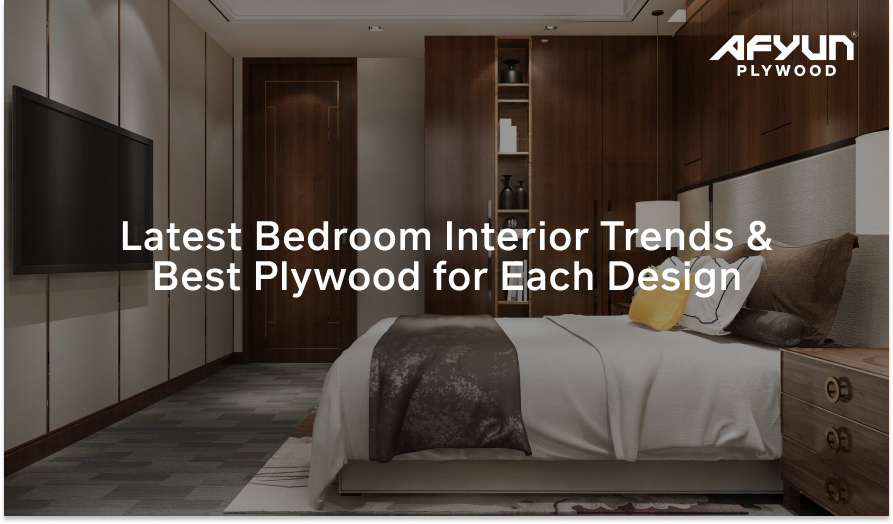
Latest Bedroom Interior Trends & Best Plywood for Each Design

Bedroom interiors today are evolving beyond simple comfort. They reflect personal style, smart functionality, and a growing awareness of safety. Whether it is a calm, minimalist retreat or a rich, hotel-inspired space, the choice of materials plays a crucial role in how well the design performs over time.

Among these materials, plywood forms the foundation of almost every bedroom element, from wardrobes and beds to wall panels and storage units. Choosing the right type of plywood is essential, not just for durability but also for safety and long-term reliability.

Let’s explore the latest bedroom interior trends and the most suitable plywood choices for each.

Minimalist Bedrooms with Clean Lines

Minimalist bedrooms continue to be a popular choice, especially in urban homes. These spaces focus on simplicity, neutral tones, and uncluttered layouts. Furniture often features sleek designs with hidden storage.

For such interiors, plywood with a smooth surface and consistent thickness is ideal. It helps achieve clean finishes for wardrobes, bed frames, and side tables.

In modern apartments where electrical fittings are integrated into furniture, safety becomes equally important. This is where fire-retardant plywood adds value. It slows down flame spread and offers an added layer of protection without affecting the visual appeal.

Luxury Hotel Style Bedrooms

Luxury bedrooms are inspired by high-end hotel suites. Think upholstered headboards, ambient lighting, glossy finishes, and large wardrobes.

These designs require plywood that can handle heavy loads and support premium finishes like veneer and laminates. Boiling water-resistant grades are commonly used for their strength.

However, with layered lighting and concealed wiring, fire safety becomes a consideration. Fire-retardant plywood fits well into such interiors by combining structural strength with enhanced safety, making it suitable for wall panels and wardrobe systems.

Scandinavian Style Bedrooms

Scandinavian interiors are all about light, warmth, and simplicity. Soft wood tones, white walls, and functional furniture define this style.

For these designs, moisture-resistant plywood works well, especially in areas that are not exposed to high humidity. It provides a good balance between cost and performance.

At the same time, Indian weather conditions can be unpredictable. Choosing plywood that offers additional resistance, including fire protection, helps maintain durability while keeping the space safe.

Smart Bedrooms with Space-Saving Furniture

With homes getting more compact, smart storage solutions have become essential. Sliding wardrobes, hydraulic beds, and wall-mounted units are now common in modern bedrooms.

These designs depend heavily on the strength and stability of plywood. It must hold screws firmly and maintain shape over time.

Since these setups often include lighting, charging points, and other electrical features, using fire-retardant plywood in key areas such as bed storage units and TV panels can be a practical decision. It enhances safety while supporting modern functionality.

Nature-Inspired Bedrooms

Biophilic or nature-inspired bedrooms bring a sense of calm by incorporating wooden textures, earthy colours, and indoor plants.

Natural finishes such as veneer are widely used in these spaces, which makes the quality of the base material even more important. Good plywood ensures that the finish remains intact and long-lasting.

Because these designs rely heavily on wood elements, adding a fire-resistant layer through specialised plywood can help balance aesthetics with safety, especially in homes with extensive electrical fittings.

Industrial Style Bedrooms

Industrial interiors feature raw textures like exposed brick, metal accents, and darker tones. Furniture in such spaces is bold and often has a rugged finish.

For this style, stronger plywood grades are preferred to handle heavier structures. Since industrial designs may include exposed lighting and fixtures, fire safety becomes relevant here as well.

Fire-retardant plywood complements this trend by offering durability along with protection, making it suitable for bed bases, shelving, and wall units.

Why Fire Retardant Plywood Matters Today

Bedrooms today are more than just sleeping spaces. They include lighting systems, entertainment units, and multiple charging points. This increases the chances of electrical risks.

Fire-retardant plywood is specially treated to reduce the spread of flames and limit smoke production. It does not make furniture completely fireproof, but it significantly improves safety by slowing down the fire.

Afyun Fire Retardant Plywood is designed to meet these modern requirements. It supports various finishes, maintains structural integrity, and adds a level of safety that standard plywood may not provide.

Choosing the Right Plywood for Bedroom Furniture

Selecting plywood should always depend on how and where it will be used. Key factors to consider include:

  • Strength for load-bearing furniture like beds and wardrobes
  • Resistance to moisture, especially in humid climates
  • Surface quality for laminates or veneers
  • Protection against termites and environmental damage
  • Fire resistance in areas with electrical fittings

Making the right choice ensures that your furniture not only looks good but also lasts longer and performs safely.

Conclusion

Bedroom design trends are moving towards spaces that are both stylish and practical. While aesthetics play a big role, the materials behind the design matter just as much.

Plywood remains at the core of every well-built bedroom interior. Choosing a high-quality option that aligns with modern safety needs can make a significant difference over time.

If you are exploring dependable plywood manufacturers in India, Afyun offers solutions that combine performance with safety. Their fire-retardant plywood is a smart addition to contemporary bedroom designs, helping you create spaces that are not only beautiful but also built to last.

Discover Afyun Fire Retardant Plywood and upgrade your bedroom interiors with confidence.

FAQs

1. What is the best plywood for bedroom furniture?

The best plywood depends on usage. MR grade works for dry areas, while BWR or BWP is better for durability. For added safety, fire-retardant plywood is a smart choice.

2. Why is fire-retardant plywood important in bedrooms?

Modern bedrooms include wiring, lighting, and devices. Fire-retardant plywood slows down flame spread and reduces risk, making the space safer.

3. Is fire-retardant plywood completely fireproof?

No, it is not fully fireproof. It is designed to resist and slow down fire, giving more time to control it and reduce damage.

4. Which plywood is best for wardrobes?

BWR grade plywood is commonly used for wardrobes due to its strength and moisture resistance. Fire-retardant plywood is recommended for added safety.

5. What plywood should be used for bed frames?

Strong plywood like BWR or BWP is ideal for bed frames as it can handle weight and pressure over time.

6. Is MR plywood suitable for bedrooms?

Yes, MR plywood works well in dry bedroom conditions. However, it offers less protection against moisture and fire compared to advanced options.

7. How does plywood affect bedroom interior design?

Plywood forms the base of all furniture. Good quality plywood ensures durability, smooth finish, and better support for laminates and veneers.

8. What is the difference between MR, BWR, and BWP plywood?

MR is moisture-resistant for indoor use. BWR offers higher water resistance. BWP is waterproof and suitable for heavy-duty applications.

9. Can plywood be used for wall panels in bedrooms?

Yes, plywood is widely used for wall panelling. It provides a strong base for laminates, veneers, and decorative finishes.

10. Which is the best plywood in India for interiors?

The best plywood is one that balances strength, finish, and safety. Fire-retardant plywood is increasingly preferred for modern interiors.

11. Is fire-retardant plywood suitable for modular furniture?

Yes, it works well for modular furniture like wardrobes, storage beds, and TV units, especially where electrical fittings are present.

12. How long does good-quality plywood last?

High-quality plywood can last for many years if properly maintained and protected from excess moisture and damage.

13. Does fire-retardant plywood affect design or finish?

No, it supports all common finishes like laminates, veneers, and paints without affecting the final look.

14. What should I check before buying plywood?

Check for strength, thickness, moisture resistance, termite protection, and safety features like fire resistance.

15. Are there trusted plywood manufacturers in India?

Yes, several manufacturers offer quality plywood. It is important to choose one that focuses on both performance and safety standards.

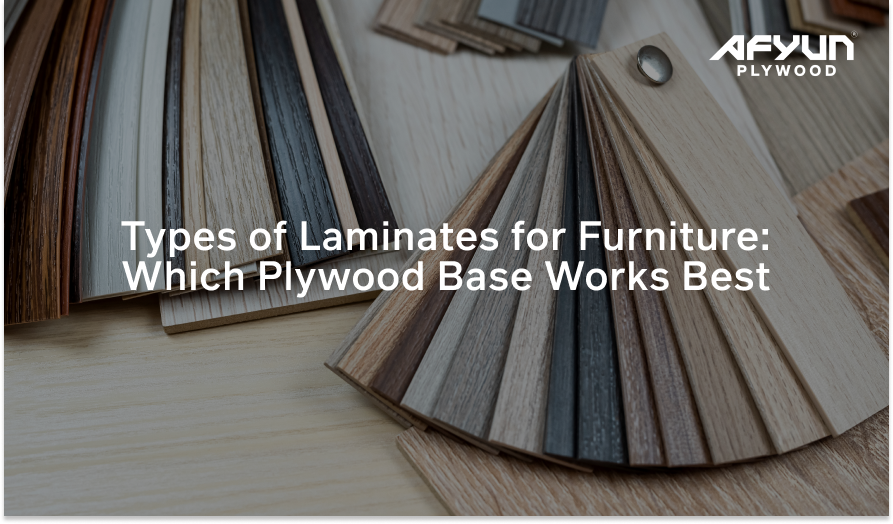
Types of Laminates for Furniture: Which Plywood Base Works Best 

Laminates play a major role in modern furniture design. They define the look, finish, and surface durability of everything from wardrobes and cabinets to office desks and TV units. With so many textures, finishes, and price points available, laminates have become a practical and stylish solution for interiors.

But there is one factor that directly affects how well laminates perform over time. That is the plywood used as the base. Laminates are only as good as the surface they are applied to. If the plywood is weak, uneven, or unsuitable, even high-quality laminates can fail.

This guide breaks down the most common types of laminates and clearly explains which plywood base works best for each

What Are Laminates in Furniture?

Laminates are thin sheets made by pressing layers of paper and resin together under high pressure. These sheets are then applied to plywood or other boards to create a decorative and protective surface.

They are widely used because they are:

  • Scratch-resistant
  • Moisture-resistant
  • Easy to clean
  • Available in a wide range of designs

For more technical insight, you can refer to the Decorative Laminates Association, which explains laminate performance standards and classifications.

Types of Laminates for Furniture

1.High-Pressure Laminates (HPL)


HPL is one of the most durable laminate types. It is created under high pressure and temperature, making it strong and resistant to impact.

Best for:

  • Wardrobes
  • Kitchen cabinets
  • Office furniture

Best plywood base:
Boiling Water Resistant or Boiling Water Proof plywood works best. These grades provide strength and moisture resistance, which complements the durability of HPL.

2. Low-Pressure Laminates (LPL)

LPL is thinner and more affordable than HPL. It is commonly used for low-cost furniture and interior panels.

Best for:

  • Budget wardrobes
  • Shelves
  • Temporary furniture

Best plywood base:
Moisture Resistant plywood is suitable for dry areas. However, it is not ideal for long-term heavy use.

3. Matte Finish Laminates 

Matte laminates offer a smooth, non-reflective surface. They are popular in minimalist and modern interiors.

Best for:

  • Bedroom wardrobes
  • Study tables
  • Cabinets

Best plywood base:
Calibrated plywood ensures a uniform surface, which is essential for achieving a clean matte finish.

4. Glossy Laminates

Glossy laminates reflect light and make spaces look brighter and more spacious.

Best for:

  • Modular kitchens
  • Contemporary wardrobes
  • TV units

Best plywood base:
BWR or BWP plywood is ideal because it prevents warping and supports the reflective surface without distortion.

5. Textured Laminates

Textured laminates mimic natural materials like wood, stone, or fabric. They add depth and character to furniture.

Best for:

  • Feature walls
  • Premium wardrobes
  • Living room units

Best plywood base:
High-quality plywood with good core strength is essential to maintain the texture alignment and prevent surface irregularities.

6. Fire Retardant Laminates

These laminates are designed to resist fire and reduce flame spread. They are often used in commercial or high-risk environments.

Best for:

  • Offices
  • Hotels
  • Homes with extensive electrical fittings

Best plywood base:
Fire retardant plywood is the best match. Using a fire-safe laminate on a regular plywood base reduces effectiveness. Pairing both ensures maximum protection.

Why the Plywood Base Matters

Laminates are only as good as the surface they are applied to. Even the most expensive laminate will fail if the plywood underneath is weak or unstable.

A good plywood base ensures:

  • Better bonding of laminate sheets
  • Resistance to bending and warping
  • Longer lifespan of furniture
  • Improved load-bearing capacity

For a deeper understanding of engineered wood standards, you can explore APA – The Engineered Wood Association.

Which Plywood Should You Choose?

Here is a quick guide:

  • MR plywood for dry indoor furniture
  • BWR plywood for moisture-prone areas
  • BWP plywood for high durability and water exposure
  • Fire-retardant plywood for safety-focused interiors

Choosing the right base depends on where the furniture will be used and how much load and exposure it will face.

Final Thoughts

Furniture design is not just about appearance. It is about choosing materials that work well together. Laminates define the look, but plywood defines the strength and longevity.

With the right combination, your furniture stays beautiful and durable for years. Explore high-quality plywood solutions from the best plywood manufacturer and build furniture that lasts.

FAQs 

1. Which laminate is best for kitchen cabinets?

High-pressure laminates are best for kitchens because they resist heat, moisture, and daily wear.

2. Which plywood is best under kitchen laminates?

BWR or BWP plywood is recommended for kitchens due to its moisture resistance and durability.

3. Can laminates peel off over time?

Yes, laminates can peel if low-quality adhesive or poor plywood is used. A strong plywood base prevents this.

4. Is thicker plywood better for laminated furniture?

Yes, thicker plywood provides better strength and stability, especially for wardrobes and beds.

5. What is calibrated plywood and why is it used?

Calibrated plywood has uniform thickness, which ensures smooth laminate application and a better finish.

6. Are laminates waterproof?

Laminates are water-resistant but not fully waterproof. The plywood underneath must also be moisture resistant.

7. Which laminate is easiest to maintain?

Matte laminates are easier to maintain as they show fewer fingerprints and scratches compared to glossy finishes.

8. Can laminates be used on curved furniture?

Yes, flexible laminates can be used on curved surfaces, but the plywood base must be properly shaped.

9. What causes bubbles in laminates?

Bubbles occur due to poor adhesive, uneven plywood surfaces, or improper pasting techniques.

10. Is termite resistance important in plywood?

Yes, termite-resistant plywood helps protect furniture and increases its lifespan.

11. Which laminate is best for bedroom wardrobes?

Matte or textured laminates are commonly preferred for bedrooms due to their soft and elegant appearance.

12. Can glossy laminates scratch easily?

Yes, glossy laminates can show scratches more easily than matte finishes, especially in high-use areas.

13. Does laminate colour fade over time?

High-quality laminates resist fading, but prolonged exposure to sunlight can cause slight discolouration.

14. How do I choose between BWR and BWP plywood?

Choose BWR for moderate moisture exposure and BWP for areas with high water contact or heavy use.

15. Can fire-retardant plywood be used with all laminates?

Yes, it works with all laminate types and does not affect the finish or design.

16. Is laminate better than veneer?

Laminates are more durable and easier to maintain, while veneer offers a natural wood appearance but requires more care.

17. What is the lifespan of laminate furniture?

With proper materials and maintenance, laminate furniture can last 10 to 15 years or more.

18. Does plywood quality affect laminate finish?

Yes, uneven or low-quality plywood can lead to visible defects in the laminate surface.

19. Which laminate is best for office furniture?

High pressure laminates are ideal for offices due to their durability and resistance to wear.

20. Can I use the same plywood for all furniture?

It is not recommended. Different furniture types require different plywood grades based on usage and exposure.

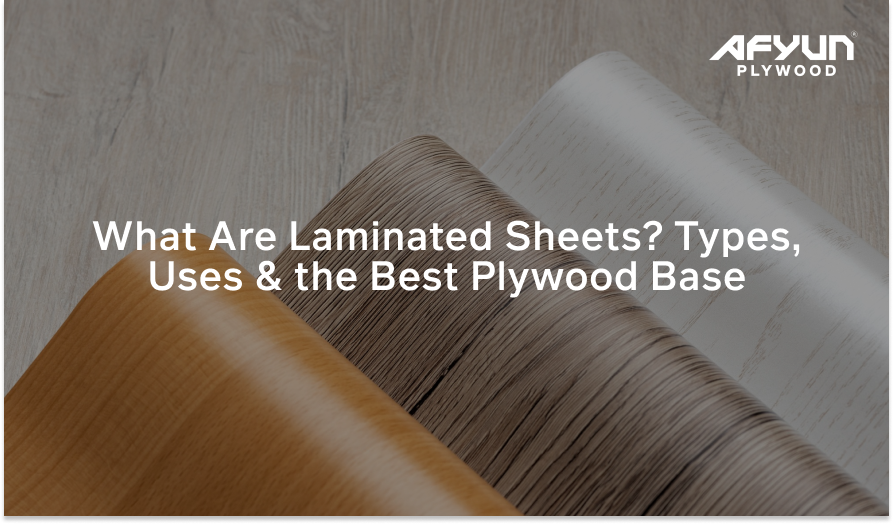
What Are Laminated Sheets? Types, Uses & the Best Plywood Base

Walk into any modern kitchen, wardrobe showroom, or office interior, and you’ll notice smooth, stylish surfaces that look like wood, stone, or even fabric. More often than not, what you’re seeing isn’t solid material, it’s laminate. Laminated sheets have quietly become the backbone of contemporary furniture and interiors, offering durability, design flexibility, and cost efficiency in one neat layer.

Let’s break down what laminate sheets really are, how they’re made, the types available, where you can use them, and most importantly, what kind of plywood base works best underneath.

What Is a Laminate Sheet Made Of?

A laminate sheet is not a single material but a carefully engineered surface layer. It is typically made by pressing together multiple layers of kraft paper, decorative paper, and a protective overlay using heat and high pressure.

Here’s how it usually comes together:

  • Kraft paper core: Provides strength and thickness
  • Decorative paper layer: Printed with wood grains, textures, or patterns
  • Protective overlay: A transparent layer that resists scratches, heat, and moisture
  • Resin bonding: Phenolic or melamine resins bind everything into a single rigid sheet

The result is a durable, thin sheet that can mimic almost any surface while being far more practical for daily use.

Types of Laminate Sheets

Not all laminates are the same. Choosing the right type depends on where and how you plan to use them.

1. High-Pressure Laminates (HPL)

These are made under very high pressure and are known for their strength and durability. Ideal for kitchens, countertops, and heavy-use furniture.

2. Low-Pressure Laminates (LPL)

Also called melamine laminates, these are directly pressed onto boards. They’re more affordable but less durable than HPL.

3. Glossy Laminates

Perfect for modern interiors, these offer a shiny, reflective finish often used in wardrobes and modular kitchens.

4. Matte Laminates

Subtle and elegant, matte laminates are great for spaces where you want a soft, non-reflective look.

5. Textured Laminates

Designed to replicate natural surfaces like wood grain or stone, adding depth and realism.

6. Anti-bacterial & Fire-retardant Laminates

Specialised laminates for hospitals, kitchens, and commercial spaces where hygiene and safety matter.

Plywood Laminate Sheet Design: Why It Works So Well

When laminate sheets are paired with plywood, you get both beauty and strength. Plywood offers a solid core, while laminate provides the finish.

This combination allows:

  • Seamless modern designs
  • Long-lasting furniture surfaces
  • Resistance to warping compared to solid wood
  • A wide range of aesthetic choices without compromising structure

Whether it’s a sleek wardrobe or a textured TV unit, plywood laminate sheet design gives you freedom without sacrificing durability.

Wood Laminate Sheets for Furniture

Furniture is where laminates truly shine. From dining tables to study desks, laminate sheets are widely used because they:

  • Resist scratches and stains
  • Are easy to clean
  • Maintain their appearance for years
  • Come in countless finishes, wood, marble, abstract, metallic

Wood laminate sheets for furniture are especially popular because they offer the look of real wood without the cost or maintenance. You can achieve oak, walnut, teak, or ash finishes with consistency across every panel.

Wood Laminate Sheets for Cabinets

Cabinets, especially in kitchens and bathrooms, demand materials that can handle moisture, heat, and frequent use.

Wood laminate sheets for cabinets are ideal because they:

  • Protect the underlying material from moisture
  • Offer easy-to-maintain surfaces
  • Keep their colour and finish intact over time
  • Work well in both traditional and modern designs

For kitchens, pairing laminates with moisture-resistant plywood is essential to avoid long-term damage.

How to Use Laminate Sheets

Laminate sheets are not standalone structural materials, they are surface finishes. They need to be applied over a base like plywood, MDF, or particle board.

Here’s how they’re typically used:

  • Covering furniture surfaces like tables, cabinets, wardrobes
  • Wall panelling for decorative interiors
  • Kitchen shutters and countertops
  • Office workstations and partitions

The key is choosing the right base material depending on the application.

How to Attach Laminate Sheets to Plywood

This is where craftsmanship matters. Proper installation ensures both durability and finish quality.

Basic Process:

  1. Surface Preparation
    The plywood surface must be smooth, clean, and dust-free.
  2. Adhesive Application
    A strong adhesive (usually contact cement) is applied evenly on both the laminate sheet and plywood.
  3. Drying Time
    Allow the adhesive to become tacky before bonding.
  4. Placement
    Carefully position the laminate sheet, once placed, it’s difficult to adjust.
  5. Pressing
    Use rollers or pressing tools to remove air bubbles and ensure proper bonding.
  6. Edge Trimming
    Excess laminate is trimmed for a clean finish.

A professional finish often comes down to precision during this stage.

Best Plywood Base for Laminates

Laminates don’t work in isolation, they rely completely on the plywood beneath. The right base ensures a smooth finish, strong bonding, and long-term durability. The wrong one can lead to bubbling, warping, or peeling.

Here are the ideal plywood options laminates can be attached to:

1. Marine Plywood

Best suited for areas exposed to water and high humidity such as kitchens, bathrooms, and utility spaces. It offers excellent resistance against moisture and prevents structural damage over time.

For such demanding conditions, Afyun’s Marine Plywood provides a dependable base that keeps laminates intact even in wet environments.

2. Moisture-Resistant Plywood

A practical choice for interiors that face occasional humidity but not direct water exposure, like wardrobes, bedroom furniture, and living room units.

Afyun’s Moisture Resistant Plywood works well with laminates in everyday spaces, offering durability without over-engineering the cost.

3. Fire Retardant Plywood

Used in spaces where safety is a priority, offices, commercial interiors, kitchens, or areas with higher fire risk. This plywood slows down the spread of flames, adding an extra layer of protection beneath decorative laminates.

Afyun’s Fire Retardant Plywood combines safety with structural strength, making it suitable for laminate applications in sensitive environments.

4. Flexi Ply

Designed for curved surfaces and creative furniture designs. If your laminate application involves bends, arcs, or unique shapes, this is the base you need.

Afyun’s Flexi Ply allows laminates to be applied smoothly over curved structures without cracking or surface stress.

Why This Choice Makes All the Difference

Each type of plywood serves a specific purpose. Choosing correctly ensures:

  • Better adhesion of laminate sheets
  • A smoother, more refined surface finish
  • Resistance to environmental damage
  • Longer-lasting furniture and interiors

A laminate may define the look, but the plywood defines how well that look holds up over time.

Why the Right Plywood Matters

Choosing poor-quality plywood can lead to:

  • Laminate bubbling or peeling
  • Warping of furniture
  • Reduced lifespan
  • Poor finish over time

A strong, stable plywood base ensures that your laminate not only looks good but stays that way for years.

Final Thoughts

Laminated sheets have transformed how furniture and interiors are designed. They offer versatility, durability, and aesthetic freedom, all at a practical cost. But the real secret lies beneath the surface. Pairing laminates with the right plywood base ensures that what looks good today continues to perform tomorrow.

Build Better with Afyun

When it comes to getting the foundation right, Afyun stands out with varieties  of plywood solutions. The company offers products like moisture-resistant options to everyday durable boards which are designed to support every kind of laminate application. 

Choose Afyun Plywood, one of the trusted plywood manufacturers,  for ra wide range of plywood solutions tailored for modern interiors.

FAQs

What are laminate sheets?
Thin decorative sheets used over plywood to enhance appearance and durability.

What is laminate sheet made of?
Layers of kraft paper and decorative paper bonded with resin under heat and pressure.

What are the types of laminate sheets?
Common types include glossy, matte, textured, high-pressure laminates, and specialised laminates.

Can laminate sheets be used without plywood?
No, they need a base like plywood or MDF for support.

Which plywood is best for laminates?
It depends on use — Marine Plywood, Moisture Resistant Plywood, Fire Retardant Plywood, and Flexi Ply are commonly used.

Where can laminate sheets be used?
They are used on furniture, cabinets, wardrobes, wall panels, and office interiors.

Are laminate sheets waterproof?
They are water-resistant but not completely waterproof.

How do you attach laminate sheets to plywood?
Using adhesives like contact cement and pressing them evenly onto the surface.

Are laminate sheets good for kitchen cabinets?
Yes, they are durable, easy to clean, and suitable for kitchen use when paired with the right plywood.

Can laminates be used on curved surfaces?
Yes, when applied on flexible bases like Flexi Ply, they can work on curved designs.

Enquire Now