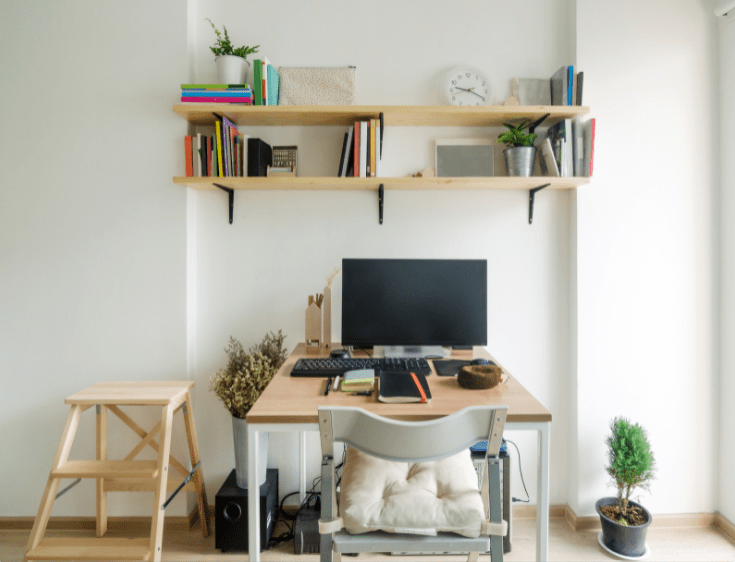
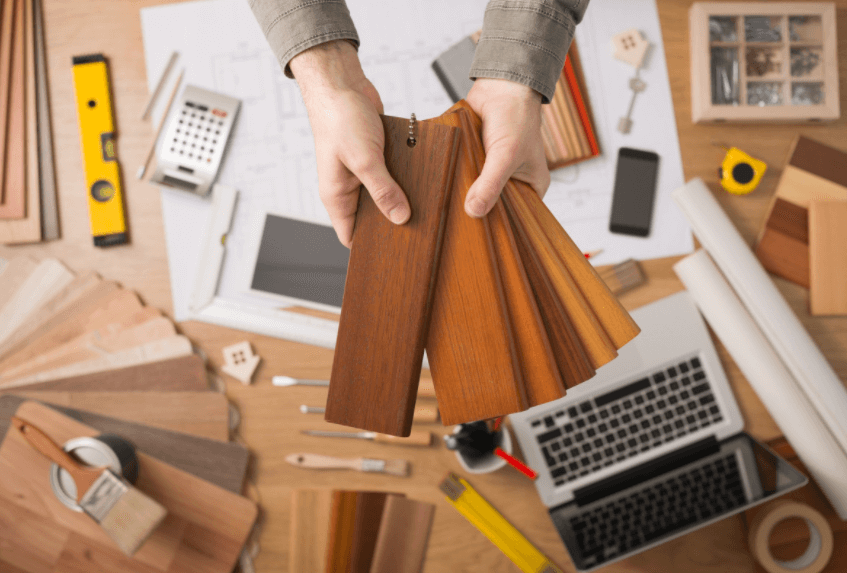
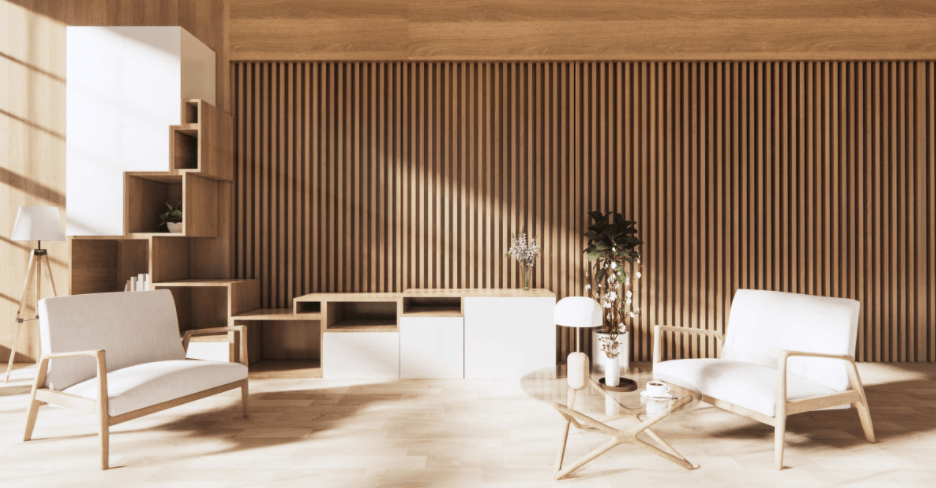
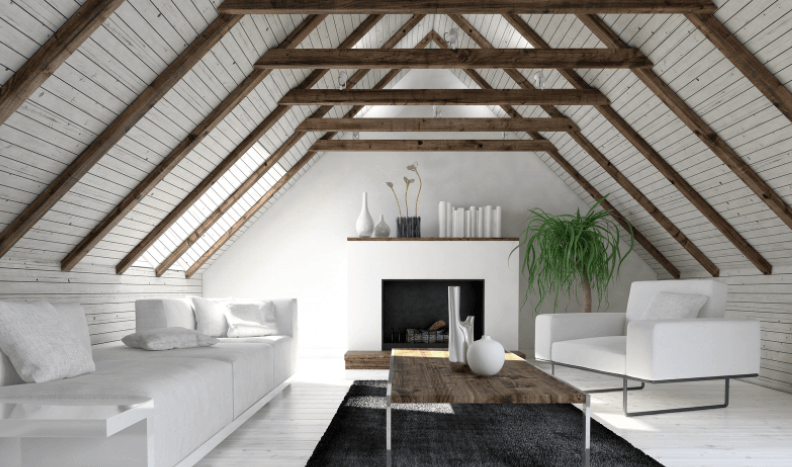
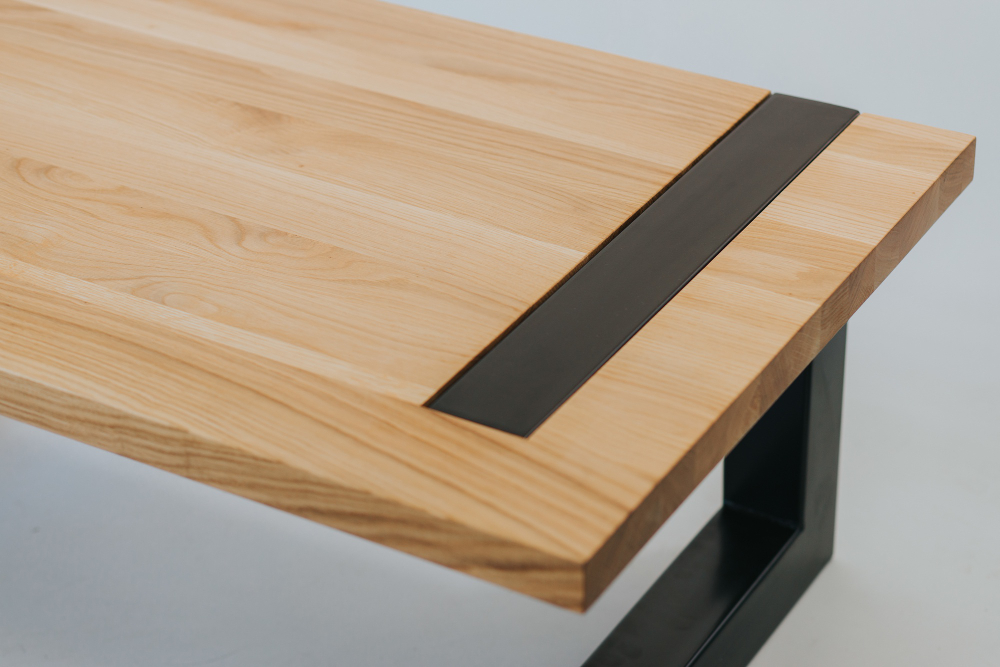
With changing lifestyles and work culture across the globe, people started perceiving the need for an organised workstation inside their houses.
A dedicated space will uplift your focus and increase productivity by setting aside all the other household distractions.
Let us look at 5 best ways you can elevate your work from home spaces
Utility
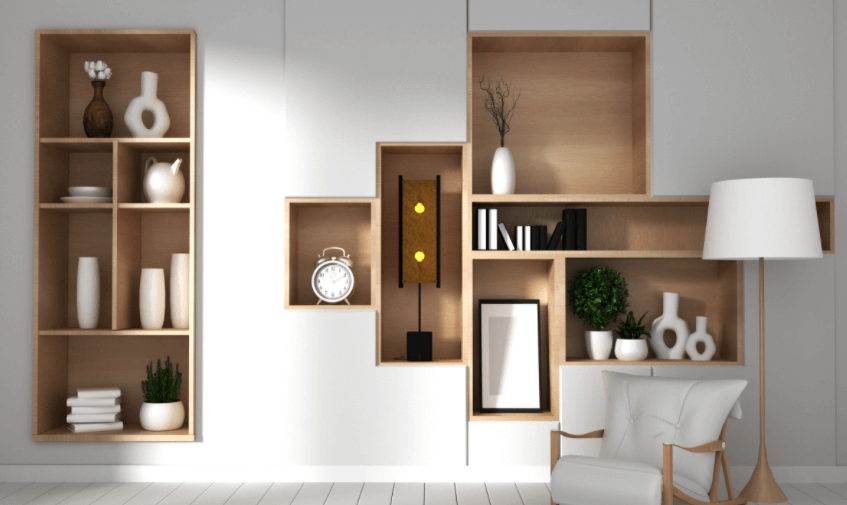
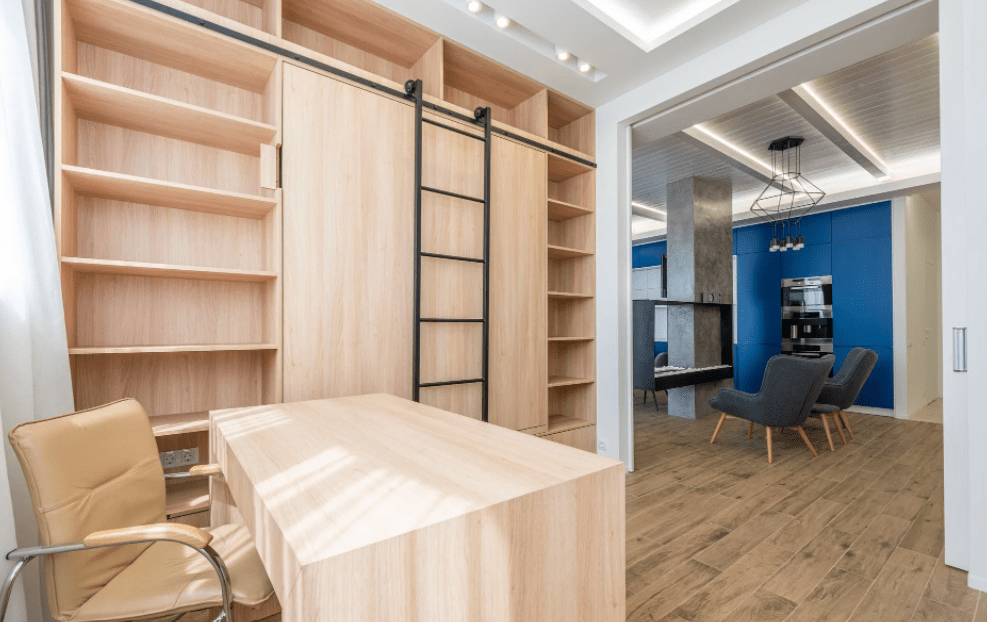
Make use of unutilized corners of the house for setting up your home office spaces efficiently. If there is a lack of space, foldable furniture for desks and chair with floating wall shelves for storage will be an ideal choice.
Comfort
The comfort factor is really important in work from home space. You are going to sit in the same place for a long time as everything, including meetings, will be online. Choose a chair that’s highly comfortable and durable with proper head and hand rest. Keeping a proper leg space or a footrest helps you stretch and relax while working continuous hours.
Minimalism
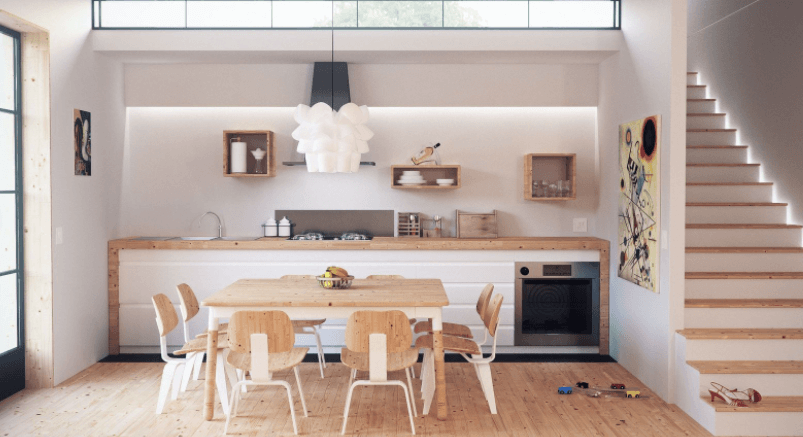
Use minimalism as a theme to keep your home office furniture design simple and yet appealing. Keep tranquil colours as it will have a great impact on your presence of mind while working. Adding a great many props will result in your space looking clumsy and unorganised.
Aesthetics
The aesthetics of a workspace has proven to have a direct effect on your work productivity whether you are working from the office or home. Some small tweaks and changes can make your space winsome.
The background of your workstation will stay salient in all video conferences! Make sure to have a clean background wall or board with minimal design shelves, posters or wall art on it.
Lighting
Lighting is a significant factor in every work from home space. It is recommended to choose a place that has good sunlight presence for working from home to stay energetic and less weary. Other lighting should have a good illumination to avoid eye strain during prolonged working hours. Make sure the lighting is placed opposite to where you sit to avoid glayers during meetings.
If you are looking forward to personalising your home office, choose premium quality, extra strong and durable plywoods
Afyun Plywood, offers different grades of quality Plywoods such as MR plywood, BWR plywood , BWP plywood , Gurjan Plywood etc. to choose from based on your needs.
Visit your nearest dealerships and choose Afyun Plywood today!
But where do you begin when designing an office space that boosts your team’s productivity?
Also, read along to find out the key factors to look into when choosing the right plywood for your office furniture.
Here’s a breakdown of key considerations:
Understanding Your Needs
There’s no one-size-fits-all approach to office furniture. The first step is understanding your company’s needs. You can ask these points to yourself:
Work Style: Is your team primarily focused on individual tasks, or do they require frequent collaboration?
Space Considerations: Is your office open-plan, or do you have dedicated workspaces?
Budget: Setting a realistic budget will guide your furniture choices and help you prioritize features.
Plywood: It is important to choose the right type of plywood when it comes to office furniture. You can find the key points to consider as you read on.
Designing for Function
Once you understand your needs, it’s time to turn them into furniture choices. Here’s where the magic happens:
1.Ergonomics are Key: Invest in ergonomic chairs and adjustable desks that prioritize employee comfort and posture. A comfortable employee is a productive employee!
2. Collaboration Matters: Create designated collaboration zones with comfortable seating, whiteboards, and mobile tables that can be easily rearranged for brainstorming sessions.
3. Focus on Individual Needs: Provide dedicated work areas with appropriate storage solutions to minimize clutter and distractions. Consider partitions or standing desks for employees who require focused work.
4. Embrace Flexibility: Opt for modular furniture that can be easily reconfigured as your team’s needs evolve. This allows for easy adaptation and fosters a dynamic work environment.
5. Don’t Forget the Extras: Breakout spaces with comfortable seating and soft lighting are essential for relaxation and rejuvenation. Consider incorporating plants, artwork, and natural light to create a more inspiring atmosphere.
Factors To Consider While Choosing The Right Plywood Furniture For Your Office
Budget
Set a budget for designing your office space based on whether the office will be long-term or short-term.
The budget may increase or decrease based on office furniture design for small or large spaces.
This way, you will have a clear goal in mind, and everything else will fall into place.
Quality
Due to increased fraudulent practices in the plywood industry, It is important to stay cautious about the quality of the plywood you are receiving.
Consult a plywood manufacturer before making the final decision about the materials.
Durability
The durability of the material is very vital for any office space.
It will be used regularly, and the chances of getting tattered are high. Once it is designed and placed, it will be difficult to refurbish or replace the office furniture.
Waterproof
Waterproof is an inevitable quality to be present in plywood for office furniture.
Even though there is a low risk of water inflow, the chances of water presence in the restroom area and pantry should be considered.
Borer proof
Borer attack is one of the drawbacks of cheap quality plywood materials.
Choose specifically designed, chemically treated borer-proof plywood for your office spaces to prevent borer attacks.
Warranty
Lastly, ensure the plywood you are buying for the office furniture design has a warranty.
Only an authentic plywood manufacturer with 100% quality plywood can offer a warranty for the plywood furniture you buy.
Final Thoughts
Remember, your office furniture is an investment for the future.
By carefully considering your needs and designing for both function and culture, you can create a workspace that promotes productivity, happiness, and a thriving work environment for your team.
As India’s trusted plywood manufacturer, Afyun Plywood offers different grades of plywood for furniture such as MR plywood, BWR plywood, BWP grade plywood, Gurjan Plywood etc. to choose from based on your needs.
Visit your nearest dealer and choose Afyun Plywood today!
While there are different types of plywood in the industry, one of the familiar ones is Gurjan Plywood.
It’s widely used for a wide range of purposes. Relatively cost-friendly, the price of gurjan plywood changes according to numerous factors such as size, thickness and location.
This blog will explore gurjan plywood, its advantages, the manufacturing process, it’s price and potential applications.
What is Gurjan Plywood?
Gurjan Plywood is a premium quality, extra strong, and durable plywood made from wood veneers of Gurjan trees, seen mostly in Southeast Asian countries. Gurjan Plywood stays exceptional among different grades of plywood; this is due to the extraordinary features it exhibits.
The Price of Gurjan Plywood
One size fits all doesn’t apply here. The price of Gurjan Plywood varies according to various factors such as:
Afyun Plywood Manufacturers offer superior quality authentic 100% Gurjan plywood to our prestigious customers all over India. We take pride in being consistently top among the Gurjan Plywoods manufacturers in India.
It is made from sheets of wood (veneers) obtained from Gurjan trees. The veneers are then piled together, and they are bonded using resins.
Before being available in the market, the Gurjan veneers undergo Afyun’s high-end, 4-stage “Hot-Cold” press technology.
1st stage
Employ a cold press on the wood veneers on our premium hydraulic press.
2nd stage
This is the process of hot-pressing the cold-pressed wood veneers.
3rd stage
This step involves pressing the face veneers to the already pressed veneers using a cold press.
4th stage
We then follow the above steps using a subsequent hot-press with face veneers.
Other countries such as Burma, Indonesia, Malaysia, and Andaman & Nicobar Islands often export Gurjan plywood to India.
Afyun Gurjan Plywoods are reputed for:
Chemical treated
High impact resistance
All weather proof
Multipurpose
Borer proof
Structured balance
Uniform strength
Everlasting
Aesthetically pleasing with a reddish-brown color
Applications Of Gurjan Plywood
Doors
Windows
Furniture
Boats
Conclusion
In conclusion, Gurjan plywood is a high-quality plywood made from the Gurjan tree, known for its strength and durability. It is a popular choice for construction and furniture making due to its resistance to water, termites, and other external factors.
Afyun Plywoods provides high-quality plywood that is eco-friendly, allowing customers to make a positive impact on the environment by reducing their carbon footprint and promoting sustainability.
Authentic 100% Gurjan plywood from Afyun plywood, A classy choice for a classy lifestyle!
Without students, a classroom is not a classroom. Without players, a playground isn’t a playground. Similarly, a home is not a home without furniture, right?
You surely need furniture to complete your home. But, the materials you choose play a vital role in deciding its efficiency.
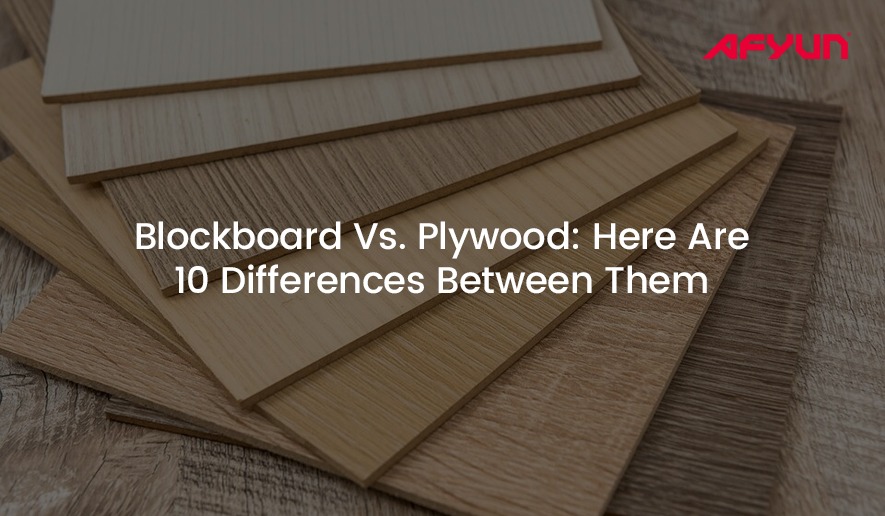
Plywood and blockboard are two of the common materials for furniture, but which one do you choose? How do they differ?
At first glance, they’d look like twins, but they are different between blockboard and plywood.
And here, we are going to dive deeper into their differences so that you can make an informed decision.
Let’s Compare Blockboard Vs. Plywood
Aspect
Blockboard
Plywood
Materials
It comes with hardwood veneer layers on the outer top and bottom. In between them, low-density softwood blocks take their place.
It comes with thin wood veneer layers attached together using glue. Each layer is glued in the alternative direction, making their grain rotated up to 90 degrees to each other. This gives them exceptional strength and stability.
Manufacturing Process
It’s manufactured by glueing softwood blocks together which is then enclosed with veneer sheets.
It’s manufactured by glueing sheets of wood veneers together in the alternative grain direction. As said before, this gives plywood superior strength.
Features
It has a smooth surface for finishing, excellent screw-holding capacity, is less prone to split and is perfect for complex carvings.
It comes in various grades and qualities for different applications. It has high impact resistance, and has excellent bendability and curvability. Some of it’s grades are great for exterior as well.
Uses / Applications
Ideal for indoor furniture like shelves, doors, cabinets, and wardrobes. However, we don’t recommend it for exterior applications without proper sealing.
Suitable for both indoor and outdoor applications like roofing, flooring, wall sheathing, making cabinets, furniture, and boat construction.
Water and Moisture Resistance
Primarily an indoor material, it’s not completely moisture-resistant. You have to properly seal and finish it to protect it from humidity and moisture.
Some of its grades can withstand exposure to moisture. Marine-grade plywood, for instance, is specifically engineered for water-prone areas.
Strength & Durability
It is strong and durable, but its load-bearing capacity is comparatively slightly lower. It could be your perfect choice for applications where strength is not the primary requirement.
It is renowned for its exceptional strength and durability. It can support heavy loads and is commonly used in structural applications.
Sound Insulation
It offers decent sound insulation properties.
Its dense composition provides better sound insulation compared to blockboard.
Ease of Handling
It is relatively lighter, making it easier to handle and transport. This can help you during the construction process.
It’s heavier relatively but it offers superior strength, which may be necessary for certain structural applications.
Sizes
It’s available in standard sizes and can also be customized based on specific project requirements.
It comes in a wide range of sizes, catering to various construction needs.
Blockboard Vs. Plywood: The Bottom Line
Tada! That was the Blockboard Vs. Plywood comparison game.
So, blockboard and plywood have different features. They are suitable for different applications. If you are choosing one, you need to understand your requirements initially.
You can opt blockboard for indoor furniture like doors. If you require your furniture to bear weight, resist water and last long, then you might want to consider going for plywood. We suggest consulting with an expert builder first before you decide.
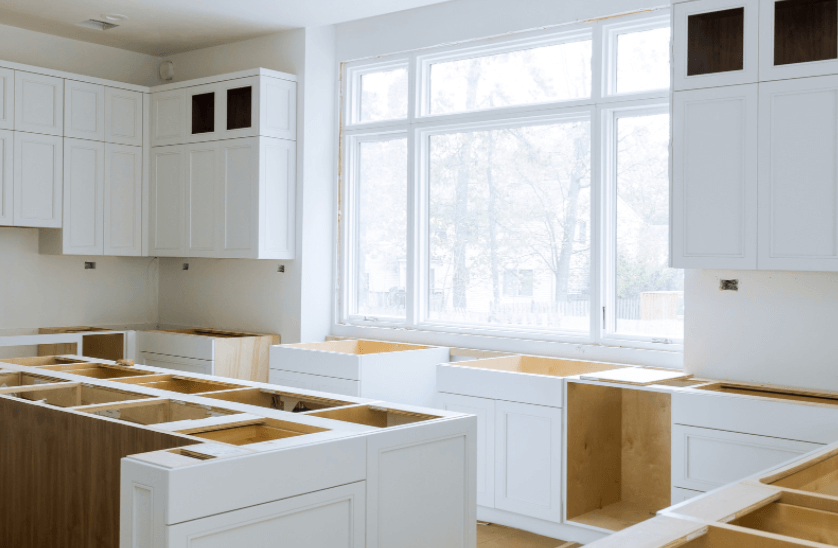
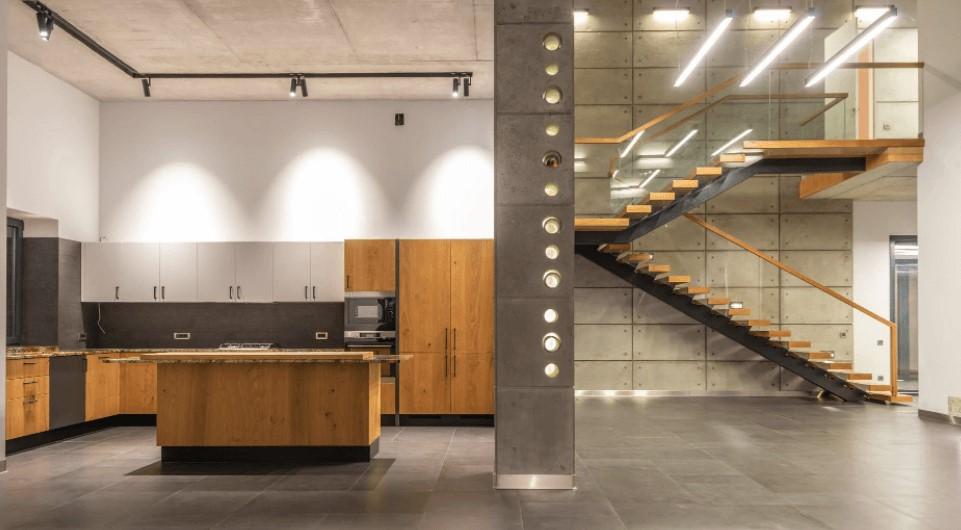
When designing a kitchen, it is important to give more importance to utility and space rather than just the latest fashion trends. An unorganized kitchen is a messy kitchen, and without the right kitchen, cabinets, plates, crockeries, and spoons can get scattered in your kitchen within no time.
These storage ideas for your kitchen can completely change the way you organize your utensils and improve efficiency by loads and make you much more productive.
Here are a few ideas to get you thinking and organizing your kitchen
Install cabinets under the kitchen sink
Installing cabinets under the kitchen sink is one of the best ways to increase storage spaces and store items that clutter the kitchen. Shoving stuff away under the kitchen, especially utensils that you do not require daily, can be a great way to give your kitchen that spacious feel!
Built-in Cabinets
This is a utilitarian way of storing everything from spices to crockery and cutlery. Installing a full-size cabinet with shelves, drawers, and baskets. These cabinets can store everything while also being close to your reach. Get everything you need in one shot without having to compromise on space.
Use Walls
Verticality is often tremendously under-used in our homes. Save space by using shelves on the wall to store items. This way your countertops and immediate area of use are free from clutter and easy to use.
Choose open shelves over closed ones
Trendiness and utility combined. That’s what open shelves give you over closed ones. These look chic and trendy and give you the freedom of open spaces.
Install Dividers
Installing dividers is an essential part of organizing a cabinet. Dividers assign an excellent spot for each item you want to store. This is an innovative way to keep things. very organized while also making it very easy to reach for things while cooking and cleaning.
Install hangers for towels
Hanging towels from the edges of shelves can be shabby and untidy while reducing the appeal of your kitchen. Installing thin steel rails that do not rust can be a very good-looking way to organize towels. These are also very easy to install and budget-friendly.
Use a waste basket with trash bags
Trash and Kitchen waste is a part of cooking. It is important to maintain a sanitized environment for cooking and keep germs away. Leaving garbage and food waste without disposing of it properly can lead to various diseases and illnesses. Use trash bag-covered baskets to manage waste, keeping it organized and easy to empty once full.
Use dedicated containers to store scrubbers and dish washing liquid
Make sure you do not leave scrubbers and dishwashing liquid out in the open. This can lead to germ infestation in the scrubbers and cause illness. Keeping it in dedicated containers that are always cleaned keeps your kitchen clean and safe.
Use magnetic knife holders and tension rods
Instead of keeping knives in baskets, and laying down cutting boards horizontally, use magnetic holders to hold knives vertically. This keeps it safe while also draining water away, preventing rust. Metal tension rods can hang cutting boards as well. This can better organize the kitchen and keep surfaces of cutting boards fungi-free.
Now that you know some of the best ways to organize your kitchen with cabinets from the expert team of the best plywood manufacturer in India,
Select Afyun plywood for crafting these fine cabinets that can last you a long time.
Traditional wood has run its course. People have been rapidly shifting to engineered wood materials. High costs in acquiring wood, along with chances of water damage, termite attacks, borer attacks, and wastage, have forced people to seek other materials for reliability and durability. The change has been gaining pace, with even the rural population opting for engineered materials over traditional plywood.
Let us understand the different engineered materials and which one should be your choice.
MDF vs HDF vs Multi Wood vs Marine Plywood:
MDF ( MDF stands for Medium Density Fibreboard)
Companies manufactureMDF on a base of eucalyptus fiber. We then apply resin to the fibre for adhesion, followed by Hot pressing it to achieve compaction.
The main positive about this material is that it is very smooth, ensuring a beautiful finish. It can also be cut easily and crafted. One of the major drawbacks, however, is that it is of low-medium density due to which it has decreased screw holding capacity.
Another drawback of MDF regarding Marine Grade Plywood is the lack of moisture and water resistance, making this an unsuitable material for high-moisture areas and areas such as the kitchen, where water spillages and leakages can occur.
HDF or High Density Fibreboard
HDF is thought of as the bigger brother of MDFs. It is also made of a eucalyptus base, with more density and better adhesion. Just like we saw earlier, HDF, compared to Marine Plywood, of the biggest problems is no resistance to moisture and water, making it unsuitable for most areas.
However, it has slightly improved screw bearing capacity due to increased density, but it is still low compared to other materials.
Multiwood
Multi wood is a type of material that many people use in India. Though this is called Multi Wood, it is completely made of PVC (Poly Vinyl Chloride) a synthetic petrochemical material usually used to manufacture pipes. Multi Wood is waterproof and moisture resistant. It also has fire-retarding properties.
Multi Wood is very suitable under kitchen sinks, for kitchen counters, and even in bathrooms. The biggest problem with the PVC board is its durability and screw holding capacity. The weight carrying capacity is abysmal and hinges are prone to damage due to low screw holding capacity.
Marine Grade Plywood
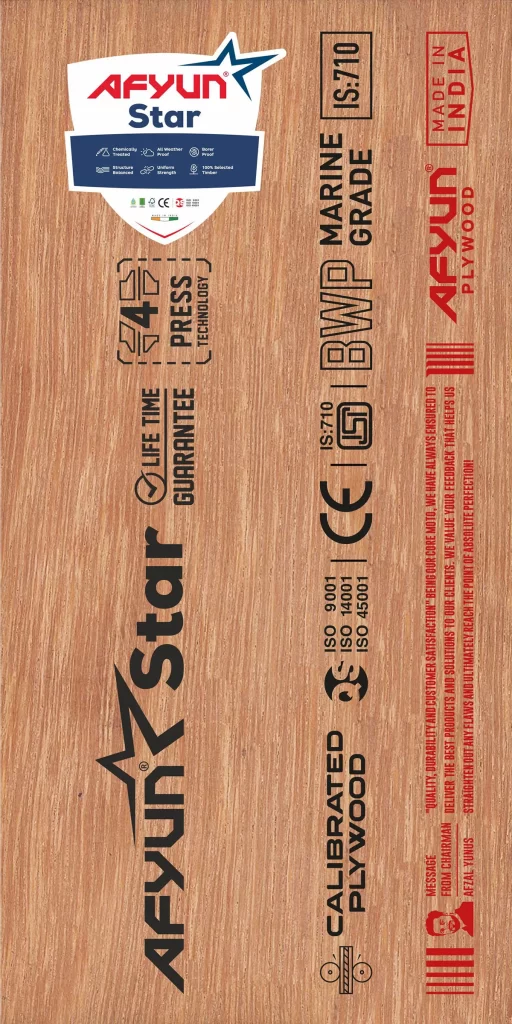
Here we have the favourite choice of Interior designers and carpenters, the Marine Plywood. This is completelyBoiling Water Proofand has an IS 710 rating,meaning that it can even be used on boats. The plywood is very easy to work with as well because it is hard with increased load bearing capacity because of the layers upon layers that are pressed together.This ensures a very dense material that can hold screws in place and is extremely durable.
AfyunMarine Grade Plywoodis treated with special in-house chemicals and each layer is treated by a Vacuum Pressure treatment to give a super-smooth look and borer resistance. The resin which is also made at Afyun seals it tight, preventing entry of water.Marine Plywood is dense, smooth, and durable and possesses increased screw holding capacity.
From the above points it is quite clear that BWP, Marine Grade Plywood is the go to choice for all your needs, especially in our dream homes.
Now get the best deals and premium quality from Afyun, the best marine plywood manufacturer in Indiaat your nearest dealerships!
When it comes to designing and constructing wardrobes, choosing the right plywood is crucial.
The type of plywood you select can impact the wardrobe’s durability, appearance, and ability to withstand environmental factors.
Here we will deal look into different types of plywood for wardrobes to create an aesthetic look and ensure longevity.
Which Plywood Is Best For Wardrobe?
The most commonly used plywood for wardrobes is Boiling Water Resistant (BWR), Moisture Resistant (MR) and Boiling Waterproof (BWP).
Understanding Each Type of Plywood for Wardrobes
BWR Plywood (Boiling Water Resistant)
BWR plywood is a popular choice for wardrobes, especially in regions with high humidity levels or if the wardrobe is located in a damp area of your home, such as near a bathroom or kitchen.
This type of plywood is engineered to resist moisture and withstand occasional exposure to water without degrading. It is bonded with phenolic resins that make it water-resistant, making it a reliable choice for wardrobe construction in areas prone to dampness.
Pros of BWR Plywood for Wardrobe
Excellent moisture resistance.
High durability and longevity.
Minimal risk of warping or delamination.
Cons
Slightly more expensive than MR plywood.
MR Plywood (Moisture Resistant)
MR plywood, also known as Commercial MR-grade plywood, is a budget-friendly option suitable for wardrobes in dry or moderately humid environments.
While MR plywood is moisture-resistant to some extent, it is not designed for prolonged exposure to water. It is made using urea-formaldehyde resin, which offers limited protection against moisture.
Pros of MR Plywood for Wardrobe
Cost-effective.
Suitable for wardrobes in dry or less humid areas.
Easily available.
Cons
Not suitable for areas with high humidity or dampness.
Lower moisture resistance compared to BWR and BWP plywood.
BWP Plywood (Boiling Water Proof)
BWP plywood is the top-tier choice for wardrobes, especially if the wardrobe is near damp areas or if there are issues with seepage from the walls.
This plywood is completely waterproof and can withstand prolonged exposure to water without losing its structural integrity.
It is typically used in areas with extreme humidity, such as bathrooms and kitchens.
Pros of BWP Plywood for Wardrobe
Exceptional water resistance.
Ideal for wardrobes in high-humidity and damp environments.
Resistant to fungal and termite attacks.
Cons
Relatively expensive compared to BWR and MR plywood.
Wrapping Up
Now we know which plywood is best for wardrobe, and what factors we should consider when choosing the best plywood for wardrobes.
BWP plywood is the top choice for extreme moisture conditions, while BWR and MR plywood are suitable for less demanding environments.
We hope that now you can make an informed decision based on your specific needs and budget.
Plywood is gaining popularity for its versatility. And it is slowly replacing traditional wood.
Builders use it for both exteriors and interiors big time.
Let’s look at the uses of plywood for interiors and which is the best plywood for interiors.
There are various types of plywood available in the market. Choosing the best plywood for interiors depends on the area of use, furniture type, and budget.
By the end of this blog, you will know which is the best plywood and which one to choose for your space.
Uses of Plywood in Interiors
You can use plywood almost anywhere in the interiors of your homes or offices. To be precise, the uses of plywood in interior designing range from covering walls to floors due to its water resistance, strength and durability. Also, there is fire-resistant plywood, which can keep fire at bay.
For Walls and Interior Decor
Uses of Plywood in Walls and Interior Decor
The grain and texture of the plywood add an intriguing and elegant touch on a tight budget. These last for a long time and are incredibly easy to put together. Thus, it makes it one of the best plywood for interior decor and walls.
For Ceilings
Uses of Plywood in Ceilings Interior Designing
Builders use Plywood extensively in crafting false ceilings and creating beautiful structures. This adds an excellent wooden texture to the ceiling and adds a beautiful seasoned wood look.
This also helps in making your entire home look different!
For Shelves & Cabinets
Uses of Plywood in shelves and cabinets Interior Designing
Yet another use of plywood for interiors is in constructing shelves & cabinets. Shelves and cabinets are now completely customizable and easy to craft with plywood.
These shelves are lightweight, making them easy to install on the wall and absorb shocks, along with being able to carry heavy loads. Also, it can resist moisture.
However, always ensure that you choose the best plywood for interiors depending on your area of use.
Furniture
Uses of Plywood in Furniture Interior Designing
The primary use of plywood in interior design continues to be in the construction of interior furniture. Plywood is extremely durable and calibrated brilliantly!
Also, the added benefit of absorption of impacts makes it the perfect material for constructing frames of sofas, beds, and tables. To name some plywood for bed frames, chairs, tables and more, BWR Plywood, MR Plywood and BWP Plywood would be great options.
Compared to traditional wood, plywood also prevents borers and termites. What more can you ask for? However, make sure that you choose the best plywood for your interior.
The List of Best Plywood for Interiors
These are the best plywood for interiors based on the area of use:
BWP Plywood
Boiling Water Proof Plywood (BWP) is a type that can withstand moisture and water, all thanks to its special treatment.
BWP Plywood uses high-quality hardwood veneers, which the manufacturers bond together with a waterproof resin adhesive. Choose Afyun BWP (Boiling waterproof) 0 IS 710 Plywood for areas prone to water and moisture like the kitchen or bathroom. This is one of the best plywood for interiors.
Fire-retardant Plywood
Fire-retardant plywood comes with a special chemical treatment, which helps it to resist fire.
Hence, you can opt for this one for kitchen interiors or other places prone to fire breakouts.
BWR plywood / MR plywood
BWR plywood stands for Boiling Water Resistant plywood while MR plywood stands for Moisture Resistant plywood.
Builders and architects use both BWR and MR plywood for interior applications.
Are you on a budget and looking to make shelves and cabinets in your bedroom or living room? Then, Afyun’s BWR plywood and MR can cater to your needs. This is the best plywood for interiors if the risk of moisture is low and you are on a shoestring budget.
Blockboardsand Flexyply
Blockboard is a wood product made by sandwiching a core of softwood strips or blocks between two layers. The core typically consists of strips or blocks of softwood that are glued together. Meanwhile, the outer layers comprise thin veneers of hardwood.
Blockboard is popular for its strength, stability, and durability. Therefore, interior designers and builders use it for furniture, doors, and partitions.
Now, Flexyply is a type of plywood that is flexible as the name suggests.
It is made by bonding several thin layers of hardwood veneers together using a specially formulated adhesive that allows the plywood to bend and curve without cracking or breaking. Hence, designers utilize it for making curvy furniture and designs.
Both these are great choices of plywood for interiors.
Conclusion
We hope that the next time somebody asks you “Which plywood is good for interiors?” or the “Best plywood for interiors”, you will point them toward this article. In a nutshell, the uses of plywood in interior design are endless, and this article only discusses a few points!
If you require high-quality plywood, make sure you check out our products.
Plywood is one of the integral parts of a construction project.
Its adaptability makes it a main part of many applications, from construction to interior design.
This blog post will explore the top 10 uses of plywood you should consider.
1. Construction and Structural Support
Plywood provides robust structural support and is commonly used for sheathing, roofing, and flooring. Their layered composition ensures stability and strength.
Plywood’s resistance to warping and ability to handle heavy loads make it a go-to choice for creating a solid foundation in building projects.
2. Furniture Manufacturing
Plywood’s versatility shines in the world of furniture manufacturing. Its strength and smooth surface make it an ideal material for crafting sturdy and aesthetically pleasing pieces.
From cabinets to tables and chairs, plywood offers the perfect mix of durability and design flexibility.
3. Interior Design Elements
Plywood’s natural aesthetic makes it popular for interior design elements such as wall panelling and room dividers.
Its warmth and versatility allow designers to incorporate it into various spaces.
4. Cabinetry and Joinery
In cabinetry and joinery, plywood’s stability and resistance to warping make it an ideal material.
In crafting durable and long-lasting storage solutions, plywood is often the preferred choice for creating cabinets that withstand the test of time while maintaining an attractive appearance.
5. DIY Home Projects
Plywood’s affordability and ease of use make it perfect for many at-home projects.
Plywood provides a versatile canvas for bringing your ideas to life in building shelves or constructing a workbench.
6. Boat Building
Plywood’s resistance to moisture and water makes it a staple in boat building. They are used to create lightweight yet sturdy structures, plywood ensures the durability of various boat components.
Its versatility allows for the construction of hulls, decks, and other vital parts, contributing to the overall integrity of marine vessels.
7. Automotive Applications
Plywood plays a crucial role in the automotive industry, finding applications in creating templates, moulds, and interior components.
Its flexibility allows it to be shaped into various forms, making it a valuable resource in car manufacturing for producing prototypes and enhancing interior design elements.
8. Signage and Displays
The smooth surface of plywood and its ability to hold paint make it an excellent choice for signage and displays.
Plywood offers a durable and visually appealing canvas that can be customised to meet specific design requirements.
For example in shop signs, exhibition displays, or other promotional materials.
9. Art and Craft Projects
Plywood’s versatility extends into art and craft projects.
Artists and crafters appreciate its ease of manipulation, allowing easy cutting, painting, and shaping.
From sculptures to model making, plywood is a versatile medium that encourages creative expression in various artistic endeavours.
10. Packaging Industry
Plywood is a staple in the packaging industry, where its strength and durability are crucial for creating crates and boxes.
To ensure the safe transportation of goods, plywood packaging provides reliable protection, making it an essential component in logistics and shipping.
In A Nutshell
Now, we have seen that the plywood uses range from furniture manufacturing to DIY home projects.
The uses of plywood are as diverse as its applications are practical.
Explore the possibilities and uses of plywood in your next project.
The plywood market is highly competitive. Sometimes, dealers compromise quality to compete. Low-quality plywood can be problematic as it may absorb moisture and dirt and easily break.
So, it is essential to identify the best quality plywood for your construction and furniture needs. But how do you check the plywood quality? What is the process involved in it?
In this blog, we will discuss the essential aspects of checking plywood quality, which will make the buying process much easier and faster.
1. Visual Inspection
The quality of plywood is directly related to the external smoothness and the calibration of the material used.
Examine the plywood surface for noticeable defects such as cracks, patches, warping, or overlapping layers.
2. Layers And Thickness Of The Plywood
High-quality plywood is usually made up of several layers or plies. The ideal thickness of high-quality plywood ranges from 4mm to 25mm.
Thicker plywood is often stronger and more durable than thinner plywood. Check the thickness plywood sheet and ensure it is consistent throughout.
3. Examine The Edge Of The Plywood
When inspecting plywood’s texture, it’s important to look for a smooth and uniform grain. So, carefully examine the joints between the layers.
The appearance of smooth, straight joints indicates proper pasting work. Any gaps or overlaps in the plywood weaken the structure and increase the risk of termite infestation and water damage.
4. Check ISI Mark
Ensure the plywood is certified by the Indian Standard Industry (ISI) mark. This Certification is essential to determine the highest plywood grade.
All MR and commercial-grade plywood is labelled as IS303, whereas boiling waterproof plywood is graded as IS710. Check for ISI marks to ensure the best quality plywood for your applications.
5. Analyze The Core Materials
The strength and durability of plywood mainly depend on its core material. Choose plywood with a solid and dense core made of high-quality hardwood, eucalyptus and gurjan wood.
Avoid using plywood with gaps or voids in the core, as this can risk the structural integrity of the material.
6. Assess The Weight And Density
Heavier plywood generally indicates a sturdier and denser construction. So, before buying, you must lift the plywood sheet and evaluate its weight.
Make sure to check the density specifications provided by the manufacturer to ensure that you choose the right plywood for your specific application.
In A Nutshell
Sacrificing the plywood quality badly impacts the future life of the furniture.
By strictly evaluating the aspects mentioned above, you can figure out the best quality plywood with Afyun.